

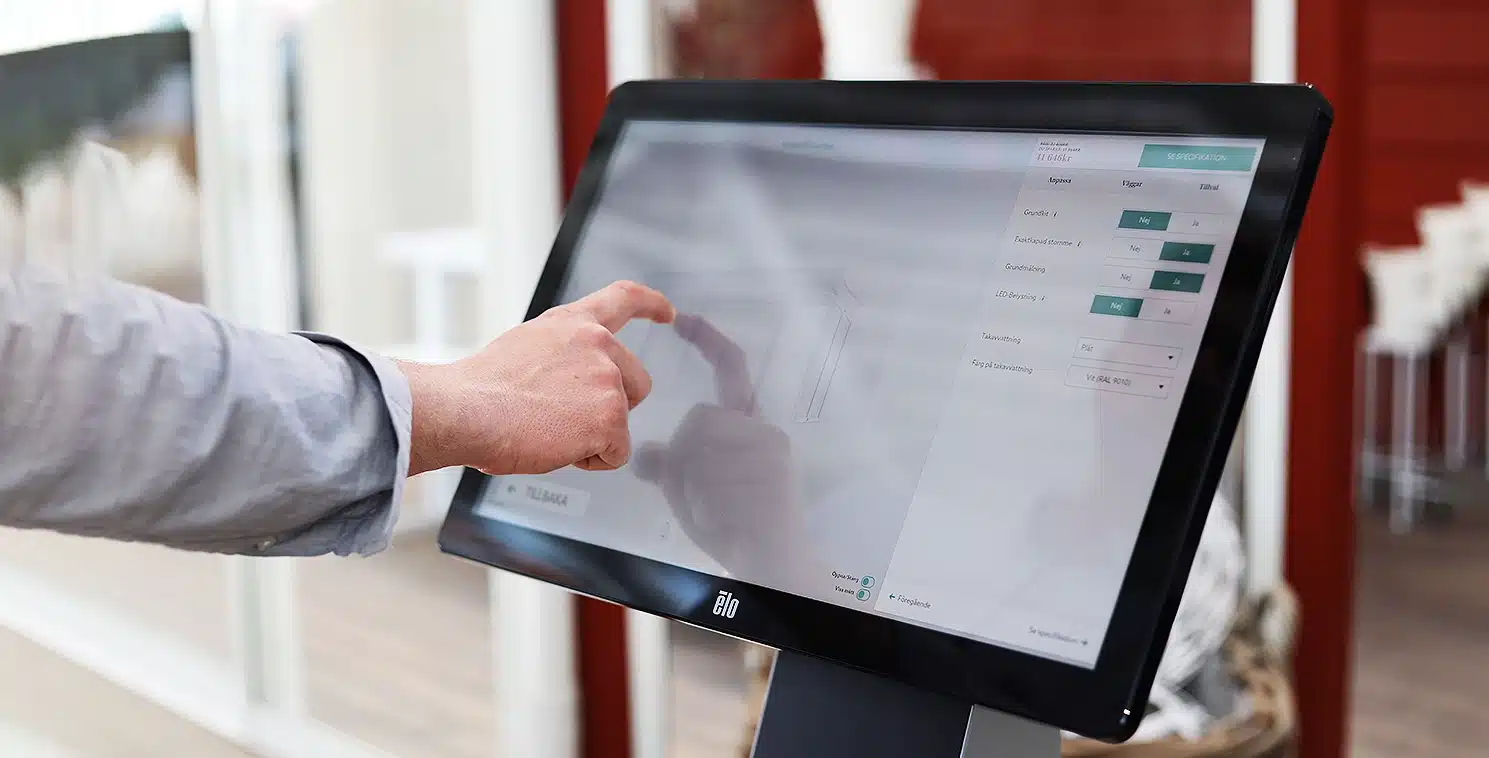
The digital transformation has been a marathon, but one player has truly sped ahead: the self-service kiosk. These sleek, interactive machines once felt like a novelty, but now they are a staple, redefining how consumers connect with businesses across various industries, including retail, hospitality, travel, and more.
If you view a self service kiosk only as a cost-saving measure, you’re missing the bigger picture. These terminals are actually powerful, silent salespeople and operational optimisers that directly contribute to the bottom line. They are a key strategy for any business seeking to increase its revenue significantly.
Here are 5 innovative and trending ways businesses are leveraging self-service kiosks to boost their revenue.
1. Upselling and Cross-Selling on Autopilot
One of the most effective ways businesses utilise self-service kiosks to increase revenue is through automated upselling and cross-selling.
While human employees might forget to offer add-ons or hesitate to promote higher-value items, kiosks do it consistently — and strategically.
For example:
- A kiosk at a quick-service restaurant might suggest adding fries or a drink to your burger order.
- A salon kiosk could recommend a premium treatment package while you book your appointment.
- A retail kiosk might offer complementary items — such as a phone case when you buy a mobile phone.
These prompts are subtle but effective, increasing the average transaction value without feeling intrusive. Businesses can even program kiosks to offer time-sensitive deals or personalised suggestions based on past purchases.
When done right, upselling through kiosks doesn’t just raise sales — it enhances the customer experience by making shopping more intuitive and convenient.
2. Boosting Throughput: Catering to More Customers, Faster
When you are in a rush, demand is not the largest ceiling to your revenue, but capacity. What is the limit to the number of orders your system can handle before the queue goes out the door and walk-off customers? A self service kiosk destroys that capacity limit.
How it Works:
- Parallel Processing: You can have one cashier bottleneck, or you can have four or five customers making and paying orders in parallel on your kiosks. This saves a lot of time, hence your service will be much quicker.
- Customer Retention at Peak Hours: When customers observe a long queue, they tend to walk away, hence the term ‘walk-away loss’. A self-service kiosk ensures that you capture sales that would have been lost during your most lucrative and busiest periods, as it makes visible the reduction in waiting periods and increased flow efficiency.
3. Online Sales: Targeted Promotions and Personalisation
A self-service kiosk is an effective data collector. Each tap, each customisation and each upsell that was accepted is a piece of information that can be sold smarter and more efficiently.
How it Works:
- Hyper-Targeted Upselling: The kiosk can preview a customer’s past purchasing history and preferences by requesting a quick login (through a loyalty programme or QR code). It will then be able to provide really personalised recommendations, such as a discount on their regular morning flat white or an alert of a product that resembles the one they last bought. This topicality significantly increases the chances of the offer being accepted.
- Optimised Menu Design: Kiosk statistics will show which menu items are the most favoured, which add-ons have the highest conversion rate and which parts of the screen attract the most attention. This analysis can help business establishments strategically position high-margin items in prime real estate on their online menu to maximise exposure and yield.
- Marketing of Items with High Margins: It is possible to promote and price items dynamically using kiosks. You can programme them to call out a time-based offer or an exclusive, high-margin special with a large, interactive image. This visual appeal and urgency create an impulse to purchase, leading to direct revenue growth.
4. Minimising Operational Cost To Improve Margin
Although it is an indirect increase in revenue, saving on operational costs directly boosts your profit margin, and a self-service kiosk is one of the key drivers in this area.
How it Works:
- Labour Cost Optimisation: Kiosks automate the most monotonous, low-value activities, such as order taking and payments. This enables the businesses to operate with a smaller front-of-house team that functions leaner and relocates the staff to the production (such as the kitchen) or to roles that are more valuable to the customer, such as customer service responsibilities that generate loyalty.
- Reduced error rates: Any errors caused by miscommunication and human error in data entry are eliminated when customers enter their own orders. Reduced mistakes lead to less rework, less money lost, and fewer spoiled goods or inventory, which safeguards your vulnerable profit margins.
5. Enhancing the Customer Experience to Build Loyalty
Today’s consumers value convenience, control, and personalisation — all of which a self service kiosk can deliver seamlessly. The secret lies in experience-driven loyalty. When customers consistently have positive experience with your brand — fast service, accurate orders, and easy payments — they’re far more likely to return.
Customer satisfaction drives loyalty — and loyalty drives lifetime value. A single kiosk can therefore pay for itself many times over through repeat visits.
Making It Work in Your Business
Self service kiosk revenue generation isn’t automatic. Success requires strategic implementation, continuous optimisation, and genuine focus on customer experience. However, for businesses willing to think beyond basic transaction processing, these systems represent one of the highest ROI investments available.
The question isn’t whether self service kiosks can increase your revenue. It’s how much revenue you’re leaving on the table by not implementing them strategically


