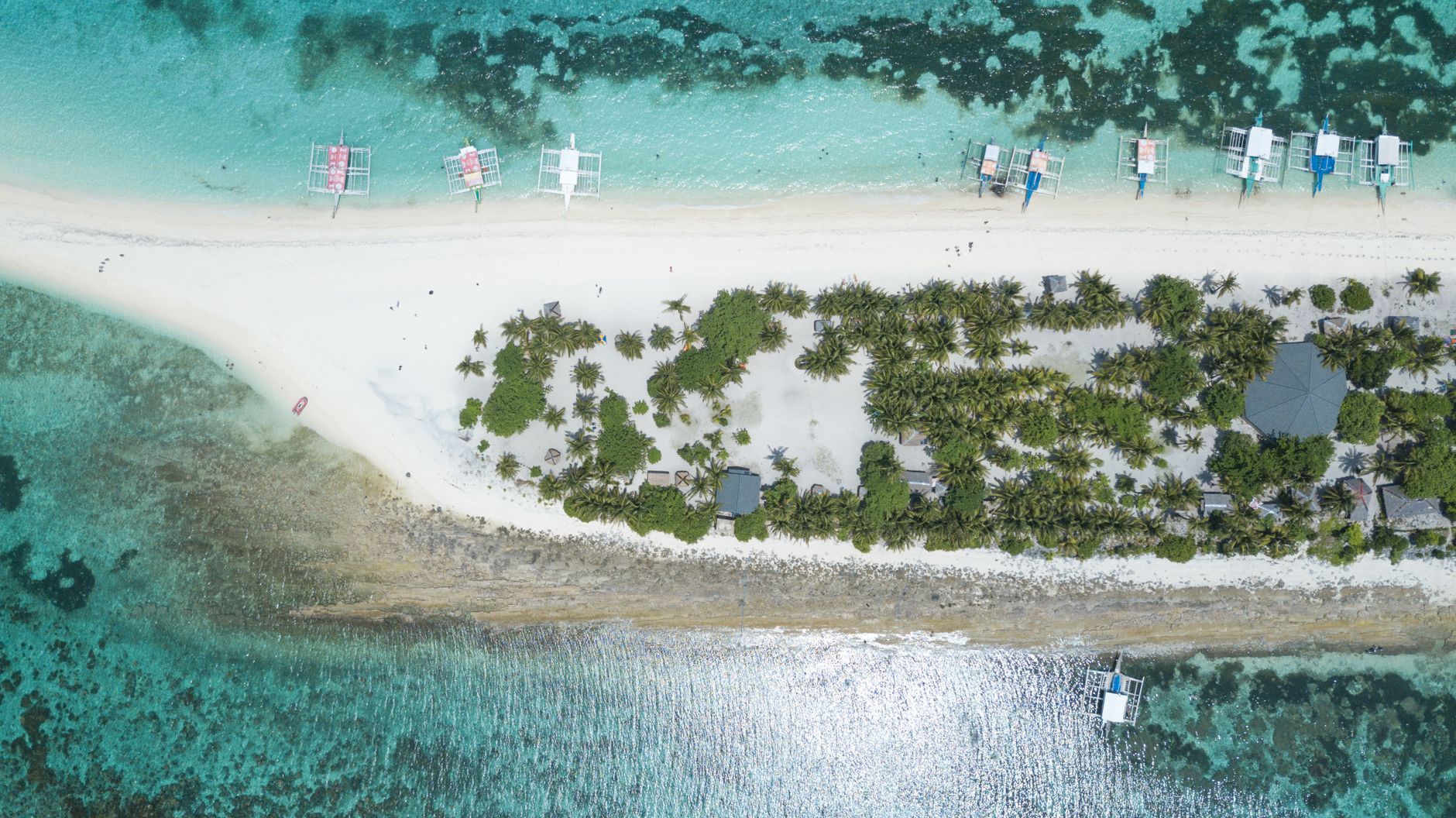
There is nothing wrong with spending a holiday beside a pool or on a beautiful beach. Yet some islands make it difficult to remain in one place. Beyond their most comfortable places to stay, they offer volcanic landscapes, mountain paths, fishing villages, historic towns and food traditions that reward curiosity. Each can provide an easy seaside holiday, but each becomes far more interesting when accommodation is treated as a starting point. These are islands for travellers who want time to relax while still returning home with a sense of where they have actually been.
Why does Sal offer more than a beach holiday in Cape Verde?
Sal is famous for long stretches of sand and a dry, open landscape, but its character becomes clearer away from the beach. The island’s name itself points to the salt industry that once shaped local life, and the salt pans at Pedra de Lume remain one of its most distinctive places.
Santa Maria adds another side to the experience. Fishing boats, restaurants and everyday island life sit alongside the tourism for which the town is now known. Elsewhere, the barren interior reveals just how volcanic and arid Sal really is.
Travellers who want to stay at one of the Cape Verde resorts can therefore use the coast as a comfortable base while setting aside time to explore. The contrast between Atlantic beaches and the island’s almost desert-like interior is part of what makes Sal memorable.
What can you do in Madeira beyond relaxing by the ocean?
Madeira is an island that naturally encourages movement. Funchal has gardens, markets and historic streets, but the landscape changes quickly once the city is left behind.
The island’s famous levadas, originally created to carry water across difficult terrain, now provide access to forests, valleys and mountain scenery. Routes vary greatly in length and difficulty, so walking can form either a small part of the holiday or its main purpose. Madeira’s official trail network includes paths through the Laurissilva forest as well as routes across more exposed mountain landscapes.
Food also provides a reason to explore. Small towns and rural areas introduce visitors to Madeiran wine, local fish, espetada and produce grown in the island’s mild climate. Madeira works especially well for travellers who want nature, food and urban life within short distances of one another.
Why is São Miguel one of the best Azores islands for curious travellers?
São Miguel rewards anyone interested in seeing how volcanic activity shapes daily life. Crater lakes, thermal springs and areas of geothermal activity give the island a landscape unlike that of a conventional Atlantic beach destination.
Sete Cidades is one of the best-known places, where lakes occupy a vast volcanic caldera. Around Furnas, the relationship between geology and local life becomes even more visible through hot springs, fumaroles and cooking traditions that make use of geothermal heat. Volcanic features across the Azores include crater lakes, thermal springs and numerous volcanic cavities.
Ponta Delgada provides a useful urban base, but São Miguel is best understood on the road. Coastal viewpoints, small communities and green pastureland continually interrupt the journey. The pleasure lies as much in moving through the island as in reaching its major sights.
What makes Sicily an island for travellers who want culture and beaches?
Sicily is large enough to contain several journeys within a single island. A coastal stay can easily be combined with archaeological sites, historic cities, vineyards and mountain landscapes, although trying to cover everything in one trip is rarely a good idea.
The eastern side offers a particularly rich combination. Catania provides an urban introduction to the island beneath the presence of Mount Etna, while Syracuse connects travellers with the Greek history of Sicily. Smaller towns add Baroque architecture and a slower rhythm.
Food makes these places easier to understand. Markets, pastry shops, street food and regional recipes reveal influences accumulated over centuries of Mediterranean exchange. The beach can remain part of the holiday without defining it. In Sicily, the strongest itineraries usually alternate swimming with history, landscapes and meals that belong unmistakably to the place.
Why does Crete work well for an active island escape?
Crete offers a similar freedom to move between sea and interior, but with a character of its own. Long beaches may provide the first reason to visit, while mountain villages, archaeological sites and dramatic gorges soon broaden the journey.
The island is closely associated with Minoan civilisation, making places such as Knossos central to understanding its ancient past. Yet Crete is equally rewarding in smaller settlements, where local food and agricultural traditions remain part of everyday life.
The mountainous interior creates a sharp contrast with the coast. Hiking, driving between villages and visiting olive-growing areas can turn a beach holiday into a much more varied trip. Crete suits travellers who enjoy changing pace during the same day, perhaps moving from an archaeological site in the morning to a quiet beach in the afternoon.
How should you choose an island if you want both relaxation and exploration?
The right island depends on how much activity is wanted. Sal is relatively compact and works well when relaxation remains the priority but a few days of exploration are desired. Madeira is stronger for walking and dramatic scenery, while São Miguel suits travellers drawn to volcanic landscapes and road trips.
Sicily offers the greatest range of cities, archaeology and regional food, but its size requires more planning. Crete also rewards a longer stay, especially for those who want to combine history, mountains and beaches.
Season matters as well. Hiking can be uncomfortable during the hottest periods, while Atlantic islands may have rapidly changing conditions in higher areas. A good itinerary leaves enough flexibility to adapt rather than assigning every day to a fixed excursion.
Why is leaving the resort worth the effort?
The most comfortable part of an island holiday and the most memorable part do not always have to be the same thing. A quiet morning beside the sea can coexist perfectly with an afternoon in a village, a walk through volcanic country or a meal in a family-run restaurant.
What matters is avoiding the idea that relaxation and discovery are opposites. An island can offer both, provided enough time is left for each. Moving beyond the immediate holiday area also gives beaches and pools a different value: they become places to return to after experiencing something of the wider destination.
Sal, Madeira, São Miguel, Sicily and Crete demonstrate this particularly well. Their coastlines may attract visitors first, but their landscapes, communities, histories and food provide the reasons to keep exploring once the suitcase has been unpacked.