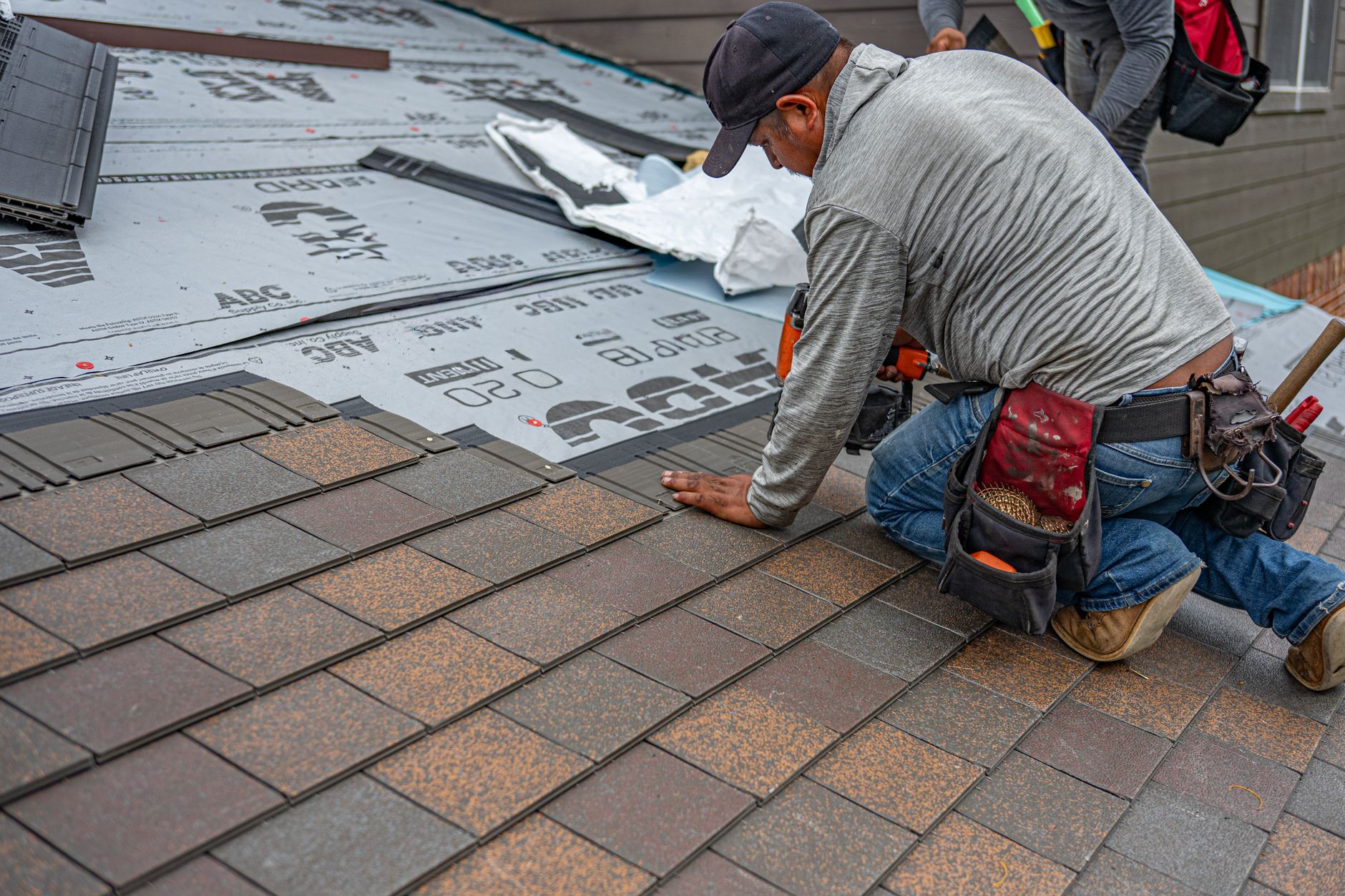
A roof leak can be difficult to trace because the place where water appears inside a home is not always where it enters the roof. One area that deserves attention is the roof valley, where two sloping sections meet and channel rainwater toward the roof's drainage system. When the materials protecting this junction fail, water can work beneath the roofing surface and eventually reach the attic, ceiling, or walls. Understanding the cause is important because a lasting solution often requires more than patching the spot where a stain appears.
For Denver homeowners, recurring roof leaks can be particularly frustrating when the source remains unclear after a storm. A Local Professional roof repair in Denver can help identify whether the problem involves damaged shingles, deteriorated valley flashing, faulty installation, or another vulnerable section of the roof. The right repair depends on the condition of the roofing system, so identifying the actual entry point should come before deciding which materials need to be repaired or replaced.
What Is a Roof Valley and Why Is It Important?
A roof valley is the internal angle formed where two sloping roof sections meet. Rainwater from both sides flows into this channel before continuing toward the roof edge. Because the valley receives runoff from adjoining surfaces, it must direct water efficiently without allowing moisture beneath the roofing materials.
The valley's protection may include metal flashing or lining, underlayment, and shingles arranged to shed water downhill. These components work together, and a failure in one layer can affect the performance of the entire junction. The exact construction varies depending on the roof design and materials, which is why a repair method suitable for one roof may not be appropriate for another.
A properly installed valley should guide water along its intended path. When that path becomes compromised by deteriorated materials, poor overlaps, or restricted drainage, the risk of water intrusion increases.
What Causes a Roof Valley to Leak?
A roof valley leak can develop for several reasons, and the visible symptoms are not always enough to determine the cause. Flashing, shingles, underlayment, and drainage conditions all need to be considered when investigating a recurring leak.
Damaged or Worn Roof Valley Flashing
Roof valley flashing helps channel water along the junction between two roof slopes. Depending on the material and installation, flashing can deteriorate, corrode, separate at seams, or become displaced. Water may also enter through problems in the underlayment beneath the visible surface.
Some defects are easy to notice, such as visibly separated metal or significant corrosion. Others remain concealed beneath the shingles. A ceiling stain near the valley may indicate water intrusion, but it does not prove that the flashing is responsible. Water can travel along the roof decking or framing before reaching the interior.
An effective repair should establish whether the defect is limited to the exposed flashing or extends into the layers beneath it. Covering a suspected leak without investigating the underlying assembly may leave the original problem unresolved.
Roof Valley Shingle Damage
Shingles around a valley are exposed to concentrated runoff and changing weather conditions. Cracked, lifted, displaced, or incorrectly fitted shingles can allow water to move beneath the roof covering. Previous repair work may also create vulnerabilities if the materials were damaged or the original drainage design was not properly restored.
Roof valley shingle damage is not always visible from the ground. Even when no shingles appear to be missing, a defect at a cut edge, overlap, or concealed layer may still permit water intrusion. The condition of the materials beneath the shingles matters just as much as the appearance of the surface.
If the damage is limited and the surrounding roofing materials remain in good condition, a targeted repair may be possible. More extensive work may be necessary if deterioration has spread or the underlying roof decking has been affected.
Debris Buildup and Restricted Water Flow
Leaves, pine needles, and small branches can accumulate in a roof valley and interfere with normal drainage. When water cannot flow freely, it may collect or move toward vulnerable joints and edges.
Restricted drainage can contribute to leaks during heavy rain, when the volume of runoff increases. However, debris is not always the primary cause. A damaged shingle, defective flashing, or another roofing problem may be responsible, even when debris is present in the same area.
Homeowners can look for visible debris from the ground or through a window, but climbing onto a roof to inspect or clear a valley is not advisable. If debris repeatedly accumulates or water has begun entering the home, a qualified roofing professional can assess the drainage path and check for damage.
Improper Installation or Previous Repairs
Some roof valley leaks originate during installation or develop after an earlier repair fails. Incorrect material overlaps, poorly positioned fasteners, damaged underlayment, and unsuitable repair methods can interfere with the roof's ability to shed water.
Applying sealant over a suspected leak may provide temporary relief in certain circumstances, but it does not automatically correct the underlying defect. The repair method should be appropriate for the roofing system and should restore the intended water-shedding path.
Signs of a Leaking Roof Valley
Interior water stains are among the most recognizable signs of a roof leak. Other indications include peeling paint, bubbling drywall, damp insulation, or a musty odor in an affected area. These symptoms suggest unwanted moisture, but they do not establish exactly where the water entered.
Water can travel along roof decking, framing, and other surfaces before reaching a ceiling. A stain near a roof valley may be connected to that area, but the actual source could be a nearby roof penetration, flashing junction, or damaged section farther up the slope.
The conditions under which the leak appears can provide useful clues. Homeowners should note whether moisture develops during heavy rainfall, wind-driven rain, or snowmelt, and whether the affected area becomes wetter after prolonged precipitation. Photographs of the interior damage and a record of the weather conditions can help a roofing professional investigate the problem.
If water is entering rapidly, the ceiling is sagging, or moisture is near electrical equipment, keep clear of the affected area and seek appropriate professional assistance. Do not touch wet electrical equipment or enter an unsafe attic to investigate.
Why Roof Valley Leaks Often Get Worse During Heavy Rain
A roof valley is designed to carry runoff from adjoining roof slopes, so the amount of water moving through it can increase substantially during a downpour. If flashing has deteriorated, shingles have shifted, or drainage is restricted, heavier flow may expose a weakness that remains unnoticed during lighter rainfall.
Wind can complicate the situation by driving rain against roofing materials and joints from unusual directions. A roof that leaks only during intense storms may have a valley defect, but the same pattern can occur when another part of the roof has damaged flashing or an opening around a penetration.
The timing of the leak is useful evidence, not a definitive diagnosis. Recording when the water appears and what the weather was like can help narrow down possible causes. The roof still needs to be assessed to establish the actual entry point.
Can a Roof Valley Leak Damage Roof Decking?
Yes. When water repeatedly enters beneath the roof covering, it can affect the roof decking, insulation, framing, and interior finishes. The severity depends on how much water enters, how frequently the leak occurs, and whether the affected materials have an opportunity to dry.
Persistently damp decking may deteriorate over time, while wet insulation can lose some of its effectiveness. Continued moisture can also damage drywall and paint and create conditions that support mold growth. A small stain does not automatically indicate major structural damage, but recurring moisture should not be ignored.
A proper repair should consider the layers beneath the visible roofing materials. If the valley must be opened to reach damaged flashing or underlayment, the exposed decking should be checked for signs of deterioration. Any additional work should be explained clearly, distinguishing confirmed damage from conditions that are only suspected.
When Does a Leaking Roof Valley Need Repair?
A professional assessment is appropriate when water stains return after rainfall, roofing materials appear damaged, or a previous repair has not resolved the leak. Prompt attention is especially important if water continues entering the home or there are signs that the underlying roof structure may be affected.
Not every leaking roof valley requires complete replacement. A localized defect may be repairable when the surrounding materials remain in suitable condition. More extensive work may be necessary when flashing or underlayment has deteriorated across a larger area, or when moisture has damaged the roof decking.
Before approving a repair, homeowners should ask what evidence identifies the source of the leak, which materials need attention, and whether surrounding shingles must be removed to access the affected area. It is also useful to understand how any concealed damage will be documented if it becomes visible only after the roof covering is opened.
The goal is to correct the failed component and restore proper drainage, rather than simply covering the visible symptom. A repair recommendation should reflect the roof's actual condition and the extent of the damage found during inspection.
What Denver Homeowners Should Know About Roof Valley Leaks
Denver homeowners should consider roof valleys as part of the roof's overall weather protection system. Rain, wind, seasonal temperature changes, and periods of snowmelt can place different demands on roofing materials and their connections. The impact on an individual roof depends on its design, material, age, exposure, and maintenance history.
After a storm, homeowners can look for visible damage from a safe position on the ground and check for new interior stains. If a leak appears, recording the weather conditions and where the moisture becomes visible can help a contractor investigate more efficiently. Climbing onto a wet or damaged roof to examine the valley is not a safe way to diagnose the problem.
When the source is uncertain or the leak keeps returning, the assessment should consider the valley as well as nearby roof transitions and penetrations. Identifying the actual entry point helps avoid unnecessary work on materials that are still functioning properly and reduces the risk of recurring interior damage.
Final Thoughts
A roof valley leak can result from damaged shingles, deteriorated flashing, restricted drainage, faulty installation, or concealed damage beneath the roofing materials. Although these problems can produce similar symptoms inside a home, the appropriate repair depends on identifying the actual source and determining how far the damage extends.
Homeowners should pay attention to recurring stains, note the conditions under which leaks develop, and arrange a professional assessment when necessary. Addressing the underlying defect is generally more reliable than repeatedly treating the visible symptom. For more information about the Roofing company's services, visit HRI Roofing & Construction LLC.
Frequently Asked Questions
Why does my roof valley leak during heavy rain?
Heavy rain increases the volume of water flowing through a valley and may expose weaknesses in shingles, flashing, underlayment, or drainage. Wind-driven rain can also enter through another vulnerable roof junction. An inspection is needed to confirm the source.
Can a roof valley leak without missing shingles?
Yes. Shingles may appear intact while concealed underlayment, flashing seams, or installation details have deteriorated. Water can also travel from another part of the roof before becoming visible near the valley.
Does a leaking roof valley always need replacement?
No. A localized defect may be repairable if the surrounding materials and roof decking remain in suitable condition. More extensive replacement may be necessary when deterioration is widespread or underlying materials have been damaged.
How can I tell if roof valley flashing is damaged?
Visible corrosion, separated seams, displaced metal, and recurring interior moisture may indicate a problem. These signs are not conclusive, and some defects remain concealed beneath the roof covering. A qualified roofer can assess the relevant components safely.