

Table of Contents
- Choosing the Right Location
- Understanding Synthetic Ice Materials
- Determining the Appropriate Size
- Installation Process
- Maintenance and Care
- Safety Measures
- Enhancing Your Rink Experience
- Cost Considerations
Bringing the excitement of skating into your home has never been more accessible, thanks to advancements in synthetic ice technology. Whether aiming for casual family fun or year-round hockey practice, creating a home rink transforms your available space into a recreational paradise. Choosing proper materials is the first step. Many homeowners opt for panels like the KwikRink V Home 4’x4′ Synthetic Ice Panel to provide a high-quality, seamless skating surface.
A well-thought-out synthetic rink offers flexibility for use both indoors and outdoors. With minimal maintenance, synthetic ice ensures a fantastic skating experience throughout any season. By following informed advice and using the right products, you can enjoy ice sports at home regardless of the climate or the time of year.
Planning your home ice rink involves careful consideration of your environment, skating needs, and safety. It is not simply about installing panels but creating an area that is ideal for skating, fun, and safety combined. Homeowners who prepare with attention to detail will find that their new rink is both enjoyable and practical.
An ice rink at home adds value not only in recreation but also in skill improvement. Families, hobbyists, and athletes alike can benefit from the convenience and consistent quality of their own ice throughout the year.
Choosing the Right Location
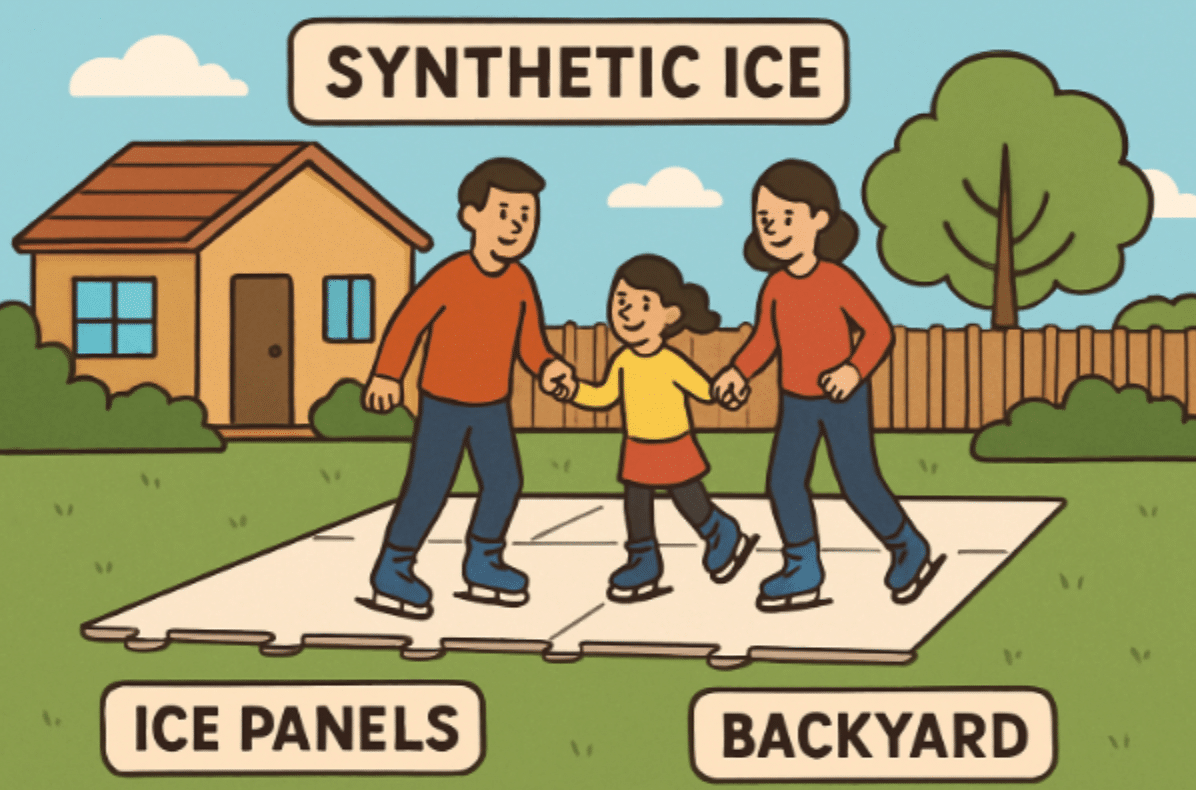
Identifying the best spot for your rink is critical to both installation and functionality. Whether you select a garage, basement, or backyard, the space must be level and offer sufficient room for your skating goals. For those considering outdoor placement, assess factors such as exposure to sunlight and proximity to trees, as fallen branches or excess shade could interfere with your rink’s condition.
For indoor installations, look for areas with strong flooring to support the panels and foot traffic. A well-ventilated environment also helps maintain air quality during frequent use. Outdoor rinks may be more susceptible to debris, so regular sweeping and cleaning will keep the area safe and enjoyable for all users.
Understanding Synthetic Ice Materials
The quality of your skating experience depends heavily on the type of synthetic ice selected. Panels are most commonly constructed from high-density polyethylene (HDPE) or ultra-high molecular weight polyethylene (UHMWPE). HDPE is a popular, cost-effective option suitable for light recreational use, while UHMWPE provides an ultra-smooth skating surface ideal for more rigorous practice and a closer feel to natural ice. According to skating specialists, it is important to match your material choice to your intended level of use to ensure safety and satisfaction.
Determining the Appropriate Size
Your rink’s size is directly related to available real estate and the activities you wish to pursue on the surface. Compact rinks, such as those measuring 12 by 16 feet, are perfect for children or shooting practice. Larger rinks, like 20 by 40 feet, offer ample space for a wider array of drills or group skating. Planning your skating activities and measuring your installation site in advance will help ensure a tailored fit for your lifestyle.
Always allow a buffer of a few feet around the rink for safety and access. Larger rinks also benefit from added reinforcement at the edges, such as plywood boards or plastic barriers, for safe containment of pucks and skaters.
Installation Process
The process of installing your rink typically involves connecting interlocking synthetic panels across a clear, flat surface. Many synthetic ice products are designed for homeowner assembly, with pieces snapping together for a tight and even fit. Clearing the installation area of debris or moisture is crucial before laying panels. Follow the manufacturer’s instructions closely to guarantee a secure setup that delivers optimal glide and safe use. Consider enlisting a second set of hands for larger installations to make the assembly process smoother and more efficient.
Maintenance and Care
To extend your rink’s lifespan, develop a routine maintenance schedule. Regularly sweep away dust, leaves, and other material that could mar the ice. Wipe down panels with a clean mop and a mild cleaning solution suitable for plastics. Some synthetic panels may require application of a specifically formulated glide enhancer to mimic the slickness of real ice. With proper care, a high-quality synthetic rink will provide years of reliable use.
Safety Measures
Prioritizing safety means installing barriers or boards around your rink to contain errant pucks and prevent skaters from falling off the edge. Adequate lighting is essential for visibility during early-morning or nighttime sessions. All skaters, especially children, should wear suitable protective gear, including helmets and pads. Before each use, glance over the panels for rough spots or loose connections to minimize the risk of injury.
Enhancing Your Rink Experience
Personalizing your ice rink can elevate every session. For hockey fans, portable goals or stickhandling trainers make practice fun and purposeful. Enjoyment is also heightened by installing a sound system for music or arena effects, or adding LED lighting for indoor or outdoor ambiance. Adjust your features and equipment to the needs and interests of the primary users, keeping the rink a lively, welcoming environment for everyone who steps on the ice.
Cost Considerations
Budgeting effectively will help keep your ice rink project on track. The overall investment includes the price of synthetic panels, accessories like boards and goals, and ongoing cleaning supplies. According to industry analysts, costs can vary greatly depending on factors like panel thickness and brand reputation. Higher-quality panels may involve a greater upfront cost but typically offer increased longevity and better skate performance.
With the right strategy in location selection, material choice, installation, care, and budgeting, it is possible to build a safe, durable, and fun home ice rink that will be a source of enjoyment and skill-building for years to come.


