

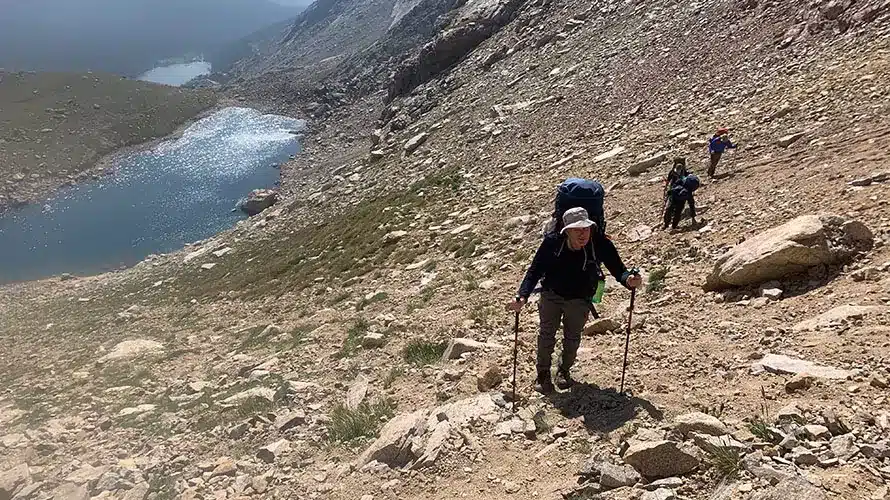
High-altitude hiking offers incredible rewards, from stunning vistas to pristine wilderness, but it also comes with unique challenges. These adventures take you through diverse ecosystems and require proper preparation, physical fitness, and respect for the mountain environment. Understanding the basics ensures a safe and enjoyable experience in these spectacular landscapes.
What Defines High-Altitude Hiking
High-altitude hiking generally refers to trails above 8,000 feet, though the effects of elevation become more pronounced above 10,000 feet. At these heights, the atmosphere contains roughly 25% less oxygen than at sea level, creating physiological challenges that affect every hiker differently.
Alpine environments are characterized by dramatic weather changes, exposed terrain, and fragile ecosystems. Temperatures can swing from pleasant warmth to near-freezing within hours, while afternoon thunderstorms develop rapidly and pose serious risks. The growing season is short, meaning wildflowers bloom in spectacular displays that last only a few weeks.
These high-elevation trails often feature technical terrain including loose scree, snow fields, and stream crossings. Navigation becomes critical as trails may disappear under snow or become obscured by fog and clouds that roll in without warning.
Physical Preparation and Acclimatization
Your body needs time to adjust to reduced oxygen levels, a process called acclimatization. The most effective approach involves gradually increasing your sleeping elevation over several days before attempting your main hike. Spend at least one night at moderate elevation (6,000-8,000 feet) before ascending higher.
Cardiovascular fitness becomes paramount at altitude. Focus on activities that build endurance: running, cycling, swimming, and stair climbing all help prepare your heart and lungs. Incorporate hiking with a weighted pack to simulate trail conditions and strengthen your legs for steep ascents.
Strength training shouldn’t be overlooked. Strong core muscles help with balance on uneven terrain, while leg strength becomes essential for navigating loose rock and steep descents. Include exercises like squats, lunges, and step-ups in your training routine.
Start your fitness regimen at least 8-12 weeks before your planned trip. Consistency matters more than intensity—regular moderate exercise builds the aerobic base you’ll need for sustained effort at elevation.
Essential Gear for Alpine Adventures
High-altitude hiking demands specialized equipment to handle rapidly changing conditions. Your clothing system should follow layering principles: moisture-wicking base layers, insulating mid-layers, and waterproof outer shells. Avoid cotton entirely, as it retains moisture and loses insulation properties when wet.
Footwear selection requires careful consideration. Sturdy hiking boots with ankle support help navigate loose rock and uneven terrain. Consider bringing microspikes or lightweight crampons if snow or ice is possible. Gaiters prevent debris from entering your boots during scree scrambles.
Navigation tools become critical above treeline where trails may be poorly marked or obscured. Carry a detailed topographic map, compass, and GPS device or smartphone with offline maps. Learn to use these tools before your trip—electronic devices can fail in cold conditions.
Emergency gear should include a first aid kit, emergency shelter, headlamp with extra batteries, and signaling device like a whistle. Weather protection items such as rain gear and warm layers can mean the difference between a challenging day and a dangerous situation.
Understanding Mountain Weather Patterns
Mountain weather operates by different rules than lowland conditions. Temperature drops approximately 3.5 degrees Fahrenheit for every 1,000 feet of elevation gain, meaning a comfortable 70-degree day at the trailhead could be near freezing at your destination.
Afternoon thunderstorms pose the greatest weather-related danger in alpine terrain. These storms typically develop between noon and 4 PM, bringing lightning, hail, and flash flood risks. Plan to start early and reach exposed areas like ridgelines and peaks before late morning.
Wind exposure increases dramatically above treeline. What feels like a gentle breeze in protected areas can become a dangerous force on exposed ridges. Wind chill can create hypothermia conditions even on seemingly warm days.
Check weather forecasts from multiple sources before departing, but be prepared for conditions to change rapidly. Mountain weather remains notoriously difficult to predict, and localized conditions can differ significantly from regional forecasts.
Popular Alpine Hiking Destinations
The Rocky Mountains offer countless high-altitude adventures, from Colorado’s fourteeners to the rugged peaks of Glacier National Park. Each range presents unique characteristics and challenges, requiring specific preparation and local knowledge.
The Sierra Nevada provides spectacular granite landscapes and pristine alpine lakes. Trails like those leading to Mount Whitney showcase classic alpine scenery, though permits and advance planning are essential for popular routes.
For those seeking diverse experiences, hiking in Utah reveals surprising alpine environments in places like the Uinta Mountains, where high-elevation lakes and meadows contrast dramatically with the state’s famous desert landscapes.
International destinations expand possibilities even further. The Alps, Himalayas, and Patagonian ranges offer world-class alpine hiking, though they require additional considerations for travel, permits, and local regulations.
Safety Considerations and Risk Management
Altitude sickness affects hikers differently and can develop into serious conditions like pulmonary or cerebral edema. Recognize early symptoms: headaches, nausea, fatigue, and loss of appetite. The best treatment remains immediate descent to lower elevation.
Lightning presents a significant danger on exposed terrain. Avoid ridgelines, peaks, and isolated trees during thunderstorms. If caught in lightning, assume the lightning position: crouch low with feet together, hands on knees, staying off the ground as much as possible.
Stream crossings become more hazardous at altitude due to cold water temperatures and potential for rapid water level changes from snowmelt or storms. Always have a plan for crossing water safely, including the possibility of turning back.
Wildlife encounters vary by region but may include bears, mountain goats, or aggressive marmots. Research local wildlife and proper food storage techniques for your destination. Maintain appropriate distances and never feed wild animals.
Embracing the Alpine Experience
High-altitude hiking offers unparalleled opportunities to connect with some of Earth’s most spectacular landscapes. These adventures challenge both body and mind while providing perspectives that few people ever experience. The sense of accomplishment from reaching a high summit or completing a challenging alpine traverse creates lasting memories.
Success in alpine environments comes from respecting the mountains while properly preparing for their challenges. Start with shorter, less technical routes to build experience and confidence. Learn from each trip, noting what gear worked well and where your preparation could improve.
Consider joining hiking groups or taking mountaineering courses to accelerate your learning and meet like-minded adventurers. Many outdoor organizations offer classes in navigation, first aid, and technical hiking skills that prove invaluable in alpine terrain.
Conclusion
Ready to try high-altitude hiking? Start by finding trails that match your skill level and use guidebooks or local clubs for advice. Invest in quality gear, renting if needed. Know your limits and take your time—alpine hiking takes preparation but offers unforgettable rewards, like sunrise views from a mountain peak.


