Key Takeaways
- Understanding the shift from traditional to AI-driven search engines is essential for modern SEO.
- Implementing Generative Engine Optimization (GEO) techniques can enhance visibility in AI-generated search results.
- Continuous adaptation to emerging technologies and user behaviors ensures sustainable online visibility.
In today’s digital-first world, standing out in online search is essential for business growth and sustained customer engagement. As artificial intelligence (AI) transforms how search engines collect, analyze, and display content, businesses must adapt their SEO strategies to ensure that customers consistently find them. Companies seeking a competitive edge can learn more about how SEO services can support your business to maximize online visibility and performance.
Traditional methods alone no longer guarantee high rankings or meaningful reach. Now, platforms rely on intricate AI algorithms and generative models, necessitating new strategies to optimize content and technical aspects of websites in response to evolving demands. A proactive, multifaceted SEO strategy has never been more vital.
As competition intensifies and user behaviors evolve—especially with the rise of zero-click searches and instant answers—businesses have to think beyond keywords. Focusing on both human users and algorithmic processes fosters sustainable growth and long-lasting brand presence in the digital era.
Small and mid-sized businesses, in particular, should recognize the importance of structured, well-planned SEO efforts to keep pace with major brands and shifting technologies. Evolving your SEO approach now ensures you capture future growth opportunities as the digital ecosystem continues to transform.
The Evolution of Search Engines
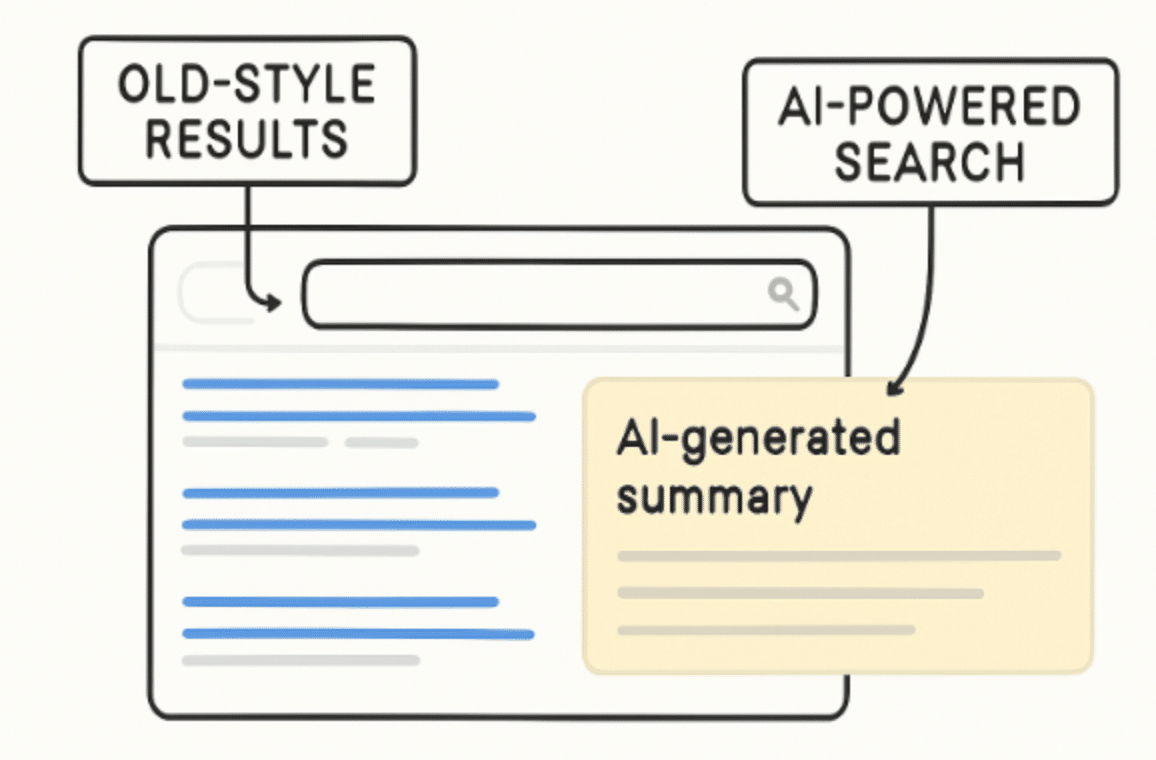
Search engines have evolved dramatically, progressing from simple keyword-matching models to algorithmically sophisticated, AI-powered platforms. Early engines delivered results based largely on exact keyword matches. Today, machine learning allows leading platforms to interpret user intent, provide contextually relevant information, and even predict what users are looking for before they finish typing.
This technological leap means websites must now go beyond traditional tactics—such as keyword stuffing or backlink schemes—that once tricked algorithms but now risk penalties. Instead, valuable user-centered content and clean technical infrastructure are rewarded.
Introduction to Generative Engine Optimization (GEO)
Generative Engine Optimization marks the next frontier in SEO. Unlike traditional SEO, which targets static SERPs (Search Engine Results Pages), GEO is tailored for AI search agents that synthesize, summarize, and present information rather than just listing links. Optimizing for these systems involves creating content that directly feeds into generative models, focusing on clarity, rich context, and accurate data structuring to prime your content for selection and summarization.
This approach prioritizes articles and landing pages that are clear, authoritative, and correctly marked up for AI extraction. As generative engines grow, GEO will become a critical differentiator.
Implementing GEO Strategies
Understand AI Algorithms:
Study how leading AI-driven engines operate and deliver results. This includes learning how natural language processing (NLP) and entity recognition inform the way content is indexed and displayed.
Optimize for AI Visibility:
Leverage structured data to act as signals for AI engines, making content easily digestible and categorically relevant. Additionally, utilize meta tags and FAQs to assist engines in accurately synthesizing information for users.
Monitor Performance:
Keep a close eye on AI-driven analytics—such as featured snippet attainment, presence in knowledge panels, and placements in AI answers. Adjust your tactics as you assess changes, trends, and performance.
Technical SEO in a Digital-First World
Mobile Optimization:
More searches now occur on mobile devices than on desktops, making mobile-first design a critical priority. A responsive site that adjusts seamlessly for different devices directly impacts rankings and user experience.
Site Speed:
Fast-loading websites retain users and earn higher positions in search results. Tools such as Google PageSpeed Insights can help identify slowdowns and opportunities for speed optimization.
Secure Connections:
HTTPS is no longer optional. Secure websites inspire user trust and are a ranking factor for most major search engines.
Content Strategies for AI-Driven Search
High-Quality Content:
Well-researched, writer-focused content that addresses user questions in depth performs best. Use subheadings, bullet points, and visual aids to clarify and expand on topics.
Structured Data:
Applying schema supports the identification and categorization of information, which makes it easier for AI to extract and display your content in relevant contexts.
Natural Language Processing:
Writing in a natural language and conversational tone aligns with modern, real-world searches and voice search inquiries, aiding discovery by both humans and machines.
Measuring Success in GEO
Analyzing AI Traffic:
New analytics tools can segment traffic originating from AI-driven search features and generative engines. Measuring these trends helps identify where content is resonating and where refinements are needed.
Monitoring Engagement:
Please keep track of time on page, click depth, bounce rates, and conversions, which reveal how well your AI-optimized content engages users and serves their needs.
Adjusting Strategies:
Review data regularly to update and improve your content, technical SEO, and GEO strategies, ensuring long-term gains in search visibility and user engagement.
Future Trends in SEO
Voice Search Optimization:
More users now ask queries using conversational speech. Optimizing for natural phrases and question-based content keeps you visible as adoption spreads.
AI Integration:
AI-powered SEO platforms automate site audits, trend identification, and even content creation—giving marketers more time to focus on strategy.
User Experience Focus:
Easy navigation, accessibility, and clear calls-to-action are increasingly important as ranking factors and user expectations converge around seamless web experiences.
By embracing these evolving SEO practices, staying informed through trusted resources, and integrating both traditional and AI-driven strategies, businesses can achieve meaningful and sustainable online visibility in a rapidly changing digital landscape.
Final Thoughts
As search continues to evolve from traditional algorithms to AI-driven platforms, businesses must adapt to remain visible and competitive. Generative Engine Optimization (GEO) represents the next frontier, requiring a focus on clear, structured, and user-centered content that AI can effectively interpret and present. Combining GEO with strong technical SEO, mobile optimization, and high-quality, engaging content ensures both human users and AI systems recognize your authority. By monitoring performance, adjusting strategies, and staying ahead of emerging trends such as voice search and AI integration, companies can secure sustainable online visibility, drive meaningful engagement, and maintain a strong digital presence in an increasingly AI-driven search landscape.