

Key Takeaways
- Maintaining a clean driving record and good credit can significantly lower your premiums.
- Regularly shop around and compare insurance quotes to secure the best rates.
- Increased deductibles, policy bundling, and strategic coverage adjustments help reduce costs.
- Maximize savings by leveraging discounts and choosing the right vehicle.
Table of Contents
- 1. Maintain a Clean Driving Record
- 2. Shop Around and Compare Quotes
- 3. Increase Your Deductible
- 4. Bundle Your Policies
- 5. Take Advantage of Discounts
- 6. Choose Your Vehicle Wisely
- 7. Improve Your Credit Score
- 8. Review and Adjust Your Coverage Regularly
Car insurance is a crucial financial protection for drivers, but finding ways to make it affordable matters just as much as securing good coverage. Whether you’re shopping for a new policy or renewing an existing one, a few calculated steps can dramatically cut your premiums without risking essential protection. Curious to know What car insurance is the cheapest? Many factors, such as your driving history and insurer choice, affect how much you pay, but innovative strategies can help drivers in every situation.
Premiums can fluctuate widely even for similar vehicles and drivers, making it even more important to be proactive. Understanding the factors insurers evaluate—like your credit score, location, and mileage—puts you in the driver’s seat when planning for savings. Lowering costs doesn’t mean settling for bare-bones coverage; efficient research and negotiation can yield top-rate protection for less.
Keeping your insurance up to date and tailored to your current needs will help you manage your budget and protect your assets. When evaluating your options, don’t be shy about exploring additional ways to save, including state-specific programs and exclusive group memberships. Reviewing your policy regularly also ensures that you won’t pay for features you no longer need.
1. Maintain a Clean Driving Record
Your driving history is one of the most influential factors in determining your car insurance rate. Insurers offer premium reductions to drivers who avoid accidents, speeding tickets, and other violations. For example, remaining accident-free for several years can lower rates by more than 20%. Many companies run periodic history checks, so ensuring your record stays clean over time compounds savings. Safe drivers also benefit from additional perks like accident forgiveness or vanishing deductibles, which can further reduce their out-of-pocket expenses in the event of an incident.
2. Shop Around and Compare Quotes
No two insurers use the same formula to calculate your premium. For this reason, comparing rates between providers is essential to maximize your savings. Gather quotes from at least three companies, using insurance comparison tools to save time and reveal hidden deals. According to CNBC, drivers who regularly check and switch insurers can save hundreds of dollars each year. Revisiting your options at renewal ensures you don’t miss out on fresh discounts or changing market conditions.
3. Increase Your Deductible
Choosing a higher deductible—the amount you pay before insurance coverage kicks in—can lower your monthly premium by up to 25%. While this means you’ll face higher immediate costs if you make a claim, it’s a worthwhile tradeoff for those who rarely need repairs or can comfortably cover occasional expenses. Always weigh the upfront premium savings against the risk of unexpectedly having to pay a larger sum.
4. Bundle Your Policies
Multi-policy discounts, also called bundling, combine your auto insurance with other products, such as homeowners or renters insurance, from the same provider. Bundling can deliver savings of up to one-fourth. Beyond savings, it simplifies your paperwork and payment schedules, and in some cases, increases your insurer’s loyalty to you as a valued customer.
5. Take Advantage of Discounts
Many insurers offer a range of automatic and optional discounts. Make sure to ask about programs for good students, people who complete approved defensive driving courses, or those who log low annual mileage. FAFSA discounts, loyalty incentives, and group rates for specific employers or memberships can also stack up. Each discount, even if modest on its own, can substantially reduce your overall cost when combined.
- Good Student Discounts: For high school or college students with a B average or higher, discounts can be significant—up to 25% in some cases.
- Defensive Driving Courses: Completing an insurer-approved class not only hones your road skills but often leads to lower premiums for drivers over 55 or those with minor infractions on their record.
- Low Mileage: Driving fewer miles per year can qualify you for special low-mileage discounts, making this ideal for those who work remotely or use alternative transportation.
6. Choose Your Vehicle Wisely
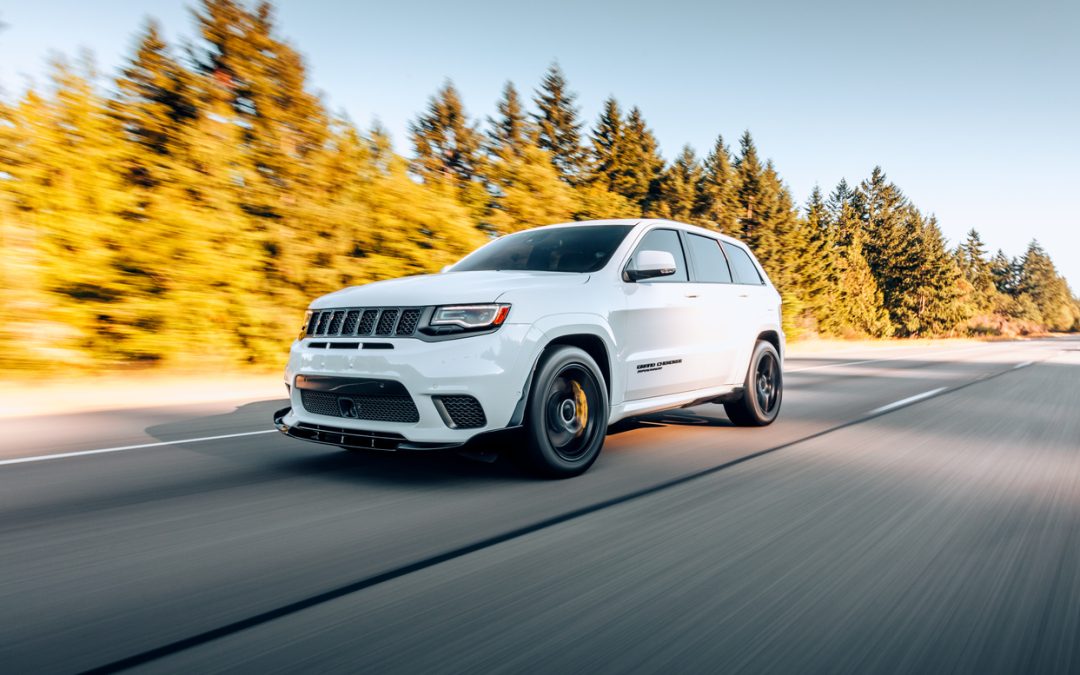
Insurance premiums vary significantly based on your car’s make, model, age, and safety features. Generally, vehicles with top safety ratings and lower repair costs cost less to insure. High-value or performance vehicles, think sports cars or luxury SUVs, are pricier to cover because of expensive parts and higher theft rates. When shopping for your next ride, it’s smart to consider not just the purchase price but also long-term insurance costs; for practical advice on buying a car wisely, NPR offers a helpful guide. Being aware of potential insurance costs can help you avoid surprises down the road. Planning ensures that your vehicle fits both your budget and your lifestyle.
7. Improve Your Credit Score
Most insurers rely on credit information to help determine premiums. Building and maintaining a strong credit score—by paying your bills on time, reducing debt, and monitoring your credit report for errors—can substantially lower your costs. Even minor improvements to your score can translate into meaningful long-term savings on all types of insurance, not just car coverage.
8. Review and Adjust Your Coverage Regularly
Life changes, like paying off your car loan, moving, or switching jobs, could mean you’re over-insured or eligible for new discounts. Periodically reviewing your coverage can expose unnecessary add-ons or outdated limits. For older vehicles, evaluate whether you still need comprehensive or collision coverage, which can save hundreds each year if dropped appropriately. Keep your provider updated about any significant lifestyle changes, and don’t hesitate to customize your policy as your needs evolve.
By employing these strategic steps, you can confidently lower your car insurance premiums while keeping essential protection. Regular reviews, smart shopping, and maximizing discounts will put you in control of your coverage and your costs.


