

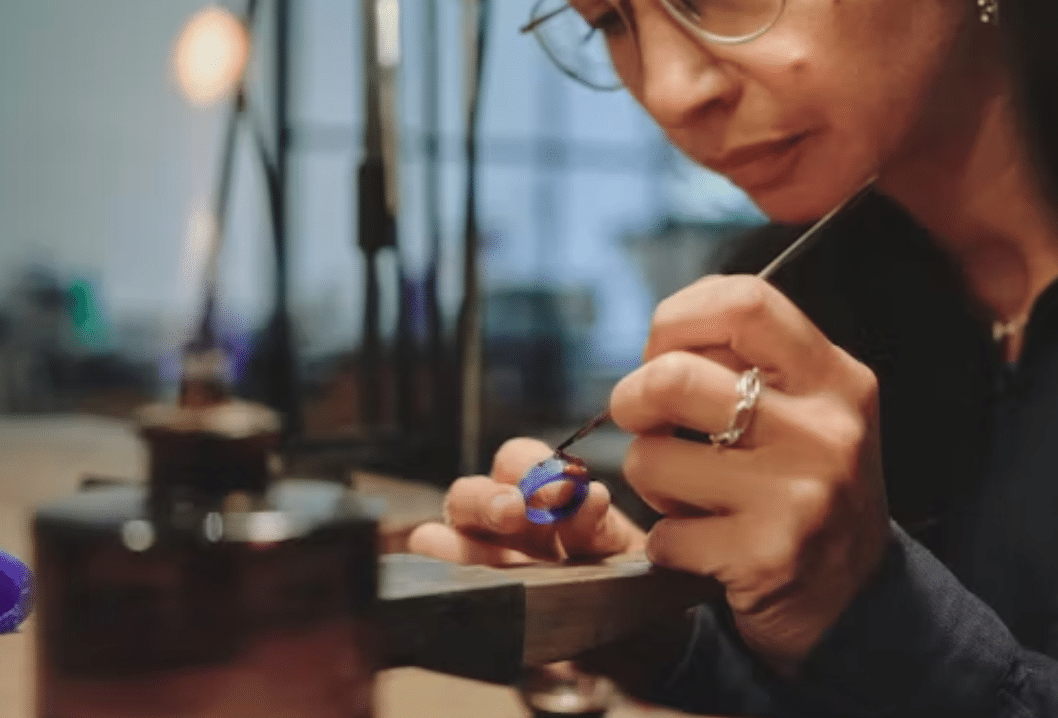
As a result of innovation in design and a focus on sustainability and environmental responsibility, the industry is experiencing a profound change. For B2B players in the industry, responsibly sourcing and maintaining eco-friendly production processes is a competitive edge. Stainless steel jewelry making supplies have the durability, versatility, and aesthetic appeal that make them the ideal choice.
In the B2B ecosystem, buyers, such as designers, retailers, and distributors, give preference to suppliers who, in addition to having the materials of the desired quality, satisfy the contemporary environmental as well as ethical requirements. The purpose of this article is to show how contemporary design is being shaped by eco-friendly practices and sustainable trends in stainless steel jewelry supplies.
The Growing Need to Sustain within Jewelry Manufacturing
Sustainability is no longer an ‘if’ in B2B jewelry sourcing, it is a market expectation. Sustainability is no longer a ‘nice to have’, it is a market expectation. As such, retailers, distributors, and designers have begun an audit of their supply chains to make certain that the materials and processes being used align with industry environmental standards.
Jewelry supplies stainless steel gained recognition due to their longevity and recyclable materials. Unlike plated and alloyed metals that degrade and need to be replaced frequently, stainless steels are less wasteful and promote circular economies, as they don’t require much upkeep.
Additionally, eco-friendly consumers influence B2B choices. Buyers avoid suppliers with non-sustainable practices as the end product reflects poorly on their brand. Choosing responsibly enables suppliers to ensure compliance with their eco-friendly practices and up-to-date global trends.
The Eco-Friendly Materials and Their Benefits
Material selection is one of the key pillars of sustainability within jewelry and due to the benefits, stainless steel is one the the materials of choice:
- Recyclability: Stainless steel can be permanently recycled and reused, lowering the need for virgin metals.
- Corrosion Resistance: Its natural resistance to tarnishing and rust cuts down the need for damaging chemical processes as treatments.
- Durability: Stainless steel crafted products have longevity which keep returns, repairs, and replacement cycles to a minimum.
- Versatility in Design: stainless steels designers can have their finished products polished, brushed, or coated with PVD providing a wide range to choose from.
For B2B customers, these attributes manifest as business value, efficiency, and environmental friendliness. Working with a bracelet supplier and other jewelry component providers enable steady availability of materials with both design and environmental sustainability criteria.
Advancements in Supply of Materials for Sustainable Jewelry Making
Beyond the materials, the other aspects of sustainability are Supply and Production methods. Suppliers of jewelry making stainless steel supplies are improving their quality while using more environmentally friendly methods and technologies.
Some of the more important ones are:
- Eco-Friendly Plating: Traditional Plating uses various harmful toxic substances. Modern methods such as PVD (Physical Vapor Deposition) have low emissions and are energy efficient and long-lasting.
- Recycled Materials: More and more suppliers are using post consumer and industrial scrap stainless steel in their production and thus reducing their waste and environmentally to the production.
- Water and Energy: Finishing and polishing systems that are more efficient and use less energy thus reducing the overall impact on the environment.
- Digital Prototyping: Using CAD and 3D printing to create prototypes uses minimal material for the prototype and hence preserves a lot of resources.
These are the practices that sustainable B2B are trying to achieve in harmonizing their Supply Chains to offer their customers value to their supplies.
Collaboration with Suppliers for Sustainable Jewelry
For sourcing to be sustainable, jewelry businesses need to partner with eco-friendly, ethical suppliers, which is where sustainable sourcing begins. B2B companies can partner with environmentally conscious suppliers like stainless steel jewelry material providers and bracelet suppliers.
There are numerous benefits to these partnerships.
- Quality Control: Suppliers that are reliable and committed to eco-friendly sustainability will produce the same quality every time, which allows jewelry designers to know fully that everything will match design and sustainability targets.
- Eco-focused suppliers: eco-conscious suppliers work with clients and provide them the appropriate documents that show compliance toward regulations to help alleviate the worries clients may have.
- Sustainability Finishes: suppliers are crystal clear to brands regarding the sustainable technology that is used and the finishes, allowing suppliers to help brands lead the market.
- Sustainability: Efficiency is achieved with planned logistics and inventory management to avoid waste.
B2B buyers can grow their production and build signature collections without compromising environmental and quality standards.
Trends Supporting Eco-Friendly Jewelry Design
There is much more to eco-friendly design than using sustainable materials. It can also influence the design trends to be more modern and stylish. Eco-conscious practices can be aligned with the use of stainless steel jewelry making supplies.
Here are some new trends that are upscale in the market:
- Minimalist and Timeless Designs: Durable and long-lasting designs in stainless steel allow for classic models that are not replaced due to production waste from rapid fast fashion cycles.
- Mixed-Material Innovations: Designs that incorporate stainless steel and recycled stones and/or wood and eco-leathers are more sustainable and allow for greater design creativity.
- Customizable Product Lines: Suppliers are seeing more adaptive, low-waste production as B2B Buyers want more control over custom designs where length and width, plating, and engraving are variables to set unique pieces apart.
- Private Label and Branding Opportunities: With low-impact sustainable and eco-friendly high-use materials, brands can market eco-responsible collections, increasing visibility and sales to retailers and consumers who are environmentally mindful.
Meeting these trends, B2B can capitalize on stainless steel jewelry making supplies to make more collections that reflect eco-jewelry, value, design, and market appeal.
Conclusion
Sourcing and design from the first raw material to the last component in the jewelry trade are affected by sustainability, especially for stainless steel jewelry making supplies, as they are changing the game with high durability and sustainability. Efficient, operational, recycled materials, and plating practices, from augmented novelty to elaborate craftsmanship, eco-sustained the operational practices and the remaining eco imprint for the planet are great.
Partnering with other reliable suppliers gives stakeholders the chance to gain non-conflict, traceable materials, team on creative designs, and enhance production, while keeping the same sustainability standards in place. Eco-conscious materials and methods help to fulfill the current retail demands and build a better place in the market, while positively impacting the future of jewelry sustainability.


