

Key Takeaways
- Private aviation is becoming more accessible through digital platforms and membership models.
- Technological advancements are enhancing the efficiency and sustainability of private flights.
- Environmental concerns are prompting the industry to adopt greener practices.
Private aviation has seen a dramatic transformation in recent years, with advances that are making it available to a much broader range of travelers than ever before. What was once reserved for celebrities and the ultra-wealthy is quickly becoming an accessible, sophisticated solution for flexible, efficient travel. By leveraging digital platforms and innovative business models, travelers are now exploring options for one-way private flights that align with their unique schedules and preferences, ensuring ultimate convenience.
In tandem with rising demand, new technologies and evolving consumer expectations have fueled changes across private aviation. Whether you are a business traveler aiming for time savings or a leisure flyer seeking an enhanced travel experience, private flights are redefining what air travel can be. Concerns around sustainability and efficiency are also driving the industry’s adoption of environmentally conscious practices, further revolutionizing the future of flight.
The Rise of Digital Charter Marketplaces
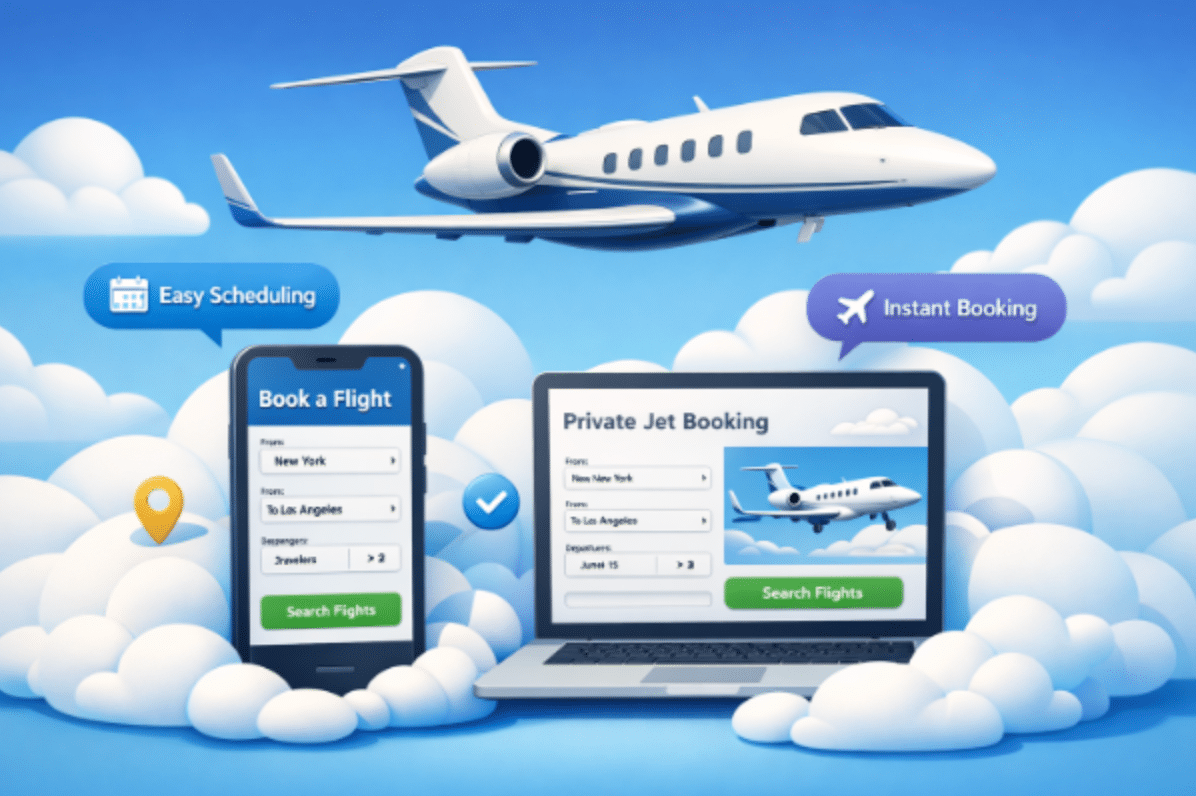
Digital platforms have fundamentally reshaped the private jet industry, making the booking process simple and transparent. These charter marketplaces bring together a host of aircraft options, real-time pricing information, and immediate availability, all accessible via smartphone or computer. This revolution means users can compare flight routes, aircraft types, and costs at a glance, vastly reducing the hassle and exclusivity typically associated with private aviation. Such platforms are breaking down traditional barriers, empowering individuals and businesses to book tailored flights based on their specific needs. As a result, the industry is no longer limited to those with deep pockets. Still, it is expanding into new segments, including families, entrepreneurs, and even small groups seeking private travel for special occasions. Industry analysts note that ongoing demand will likely drive even greater availability and affordability in the future.
Subscription and Membership Models
Another progressive development in private aviation is the introduction of subscription and membership plans. Renowned companies like Wheels Up and NetJets embrace this model, which allows travelers to pay a recurring fee for preferred access to a fleet of jets. These subscriptions bring cost predictability, priority service, and freedom from long-term ownership responsibilities. The appeal is strongest for frequent flyers who value on-demand flexibility but do not want to absorb maintenance headaches or depreciation risks associated with aircraft ownership. Membership plans also foster loyalty and increase accessibility, representing a major shift from the one-off charter concept that dominated the sector in previous decades.
Jetpooling: Sharing the Skies
Jetpooling is a concept that has gained traction by lowering costs through group sharing. In this model, seats are sold individually, allowing travelers to split the expense of a private flight on a per-seat basis. It is the private aviation equivalent of ride-sharing and serves customers who seek exclusivity and flexibility while being more mindful of their travel spend.
By maximizing occupancy on private jets, jetpooling also has benefits for the environment, as it substantially reduces per-person emissions compared to solo chartered flights. As sustainability grows increasingly important, jetpooling stands out as a sensible and socially conscious travel option.
Technological Innovations Enhancing Efficiency
The integration of emerging technologies is streamlining nearly every aspect of private aviation. Artificial intelligence (AI) is now used to optimize flight planning, accounting for real-time weather, airport congestion, and personalized traveler preferences. Predictive maintenance, informed by data analytics, helps identify mechanical issues before they arise, fortifying both safety and aircraft reliability. Other advances, such as biometric screening, app-based booking, and real-time customer support, contribute to a seamless travel experience from booking to touchdown. These innovations benefit operators as well by reducing costs and improving flight turnaround times. The result is a more user-friendly and efficient network that continues to raise the bar for the quality and convenience of private aviation.
Environmental Considerations and Sustainable Practices
As private jets receive critical attention for their environmental impact, the industry is responding with a shift towards more sustainable practices. Efforts include adopting sustainable aviation fuels (SAFs), investing in the development of electric and hybrid-powered aircraft, and introducing comprehensive carbon offset programs. Many operators actively seek to minimize their carbon footprint and promote eco-friendly operations. By leading on sustainability, the industry aims to mitigate criticism while catering to the increasing demands of eco-conscious travelers. Ongoing research by organizations like the International Air Transport Association (IATA) underscores the importance of these efforts and the potential for real change at scale.
Integration into Corporate Travel Programs
Businesses are rapidly recognizing the value of private aviation for their travel strategies. By integrating private flight services into broader travel management programs, companies benefit from significant time savings, especially on short-haul or time-critical routes. Private aviation can help executives maximize productivity, facilitate meetings in multiple locations in a single day, and reduce overall travel fatigue. For many corporations, offering private flight access also becomes a valuable tool for employee satisfaction and retention, as it aligns with the demand for flexibility and premium travel experiences. As global business recovers and grows in complexity, this integration is expected to deepen, with private aviation playing an essential role in a company’s overall travel mix.
The Future of Private Aviation
The evolution of private flights is just beginning. As momentum builds around accessibility, digital innovation, and environmental responsibility, private aviation is poised to become a central part of modern travel for a wider audience. Travelers can expect ongoing improvements in cost, convenience, and sustainability, solidifying private flight as a logical extension of contemporary travel needs.
Conclusion
The private aviation sector is undergoing a profound transformation, making luxury travel more accessible, efficient, and environmentally conscious. Digital charter marketplaces, subscription models, and jetpooling are expanding access while reducing costs and emissions. Technological innovations, ranging from AI-assisted flight planning to predictive maintenance, are streamlining operations and improving reliability. At the same time, sustainable practices, such as adopting SAFs and implementing carbon offset programs, are addressing growing environmental concerns. By embracing these advancements, both individual travelers and corporate clients can enjoy flexible, time-saving travel solutions that prioritize safety, convenience, and responsibility. The future of private aviation is increasingly defined by accessibility, efficiency, and sustainability.


