Tooth loss affects more than your smile—it can cause jawbone deterioration and change your facial structure over time. Without the tooth root to stimulate the bone, surrounding tissue shrinks, impacting oral health and appearance. Knowing this helps you choose the right replacement options to protect your health and quality of life.
The Hidden Process of Jawbone Deterioration
When you lose a tooth, your body interprets the absence of the root as a signal that the surrounding bone tissue is no longer needed. This triggers a natural process called resorption, where your body begins to reabsorb the calcium and minerals from the jawbone back into your system.
The statistics surrounding bone loss are striking. Within the first year after tooth extraction, you can lose up to 25% of the bone width in that area. The deterioration continues over time, though at a slower pace, with ongoing bone loss occurring throughout your lifetime without proper intervention.
This bone loss creates a domino effect of complications. As the jawbone shrinks, your remaining teeth may shift position, creating gaps and misalignment issues. Your bite pattern changes, potentially leading to jaw pain and difficulty chewing. The loss of facial support can also cause premature aging, with sunken cheeks and a collapsed appearance around the mouth.
How Tooth Roots Maintain Jawbone Strength
Your tooth roots serve as more than just anchors for your teeth. Every time you bite, chew, or even clench your teeth, these roots transmit force into the surrounding jawbone. This mechanical stimulation signals your body to continue producing new bone cells, maintaining the bone’s density and volume.
The relationship between tooth roots and jawbone health mirrors the principle of “use it or lose it” that applies to muscle tissue. Just as muscles atrophy without regular exercise, jawbone tissue deteriorates without the consistent pressure and stimulation provided by tooth roots.
Different types of chewing forces contribute to this stimulation. The vertical pressure from biting down and the horizontal forces from grinding and chewing all play essential roles in maintaining bone health. When these forces disappear due to tooth loss, the bone tissue receives no signal to regenerate, leading to inevitable deterioration.
Dental Implants: The Gold Standard for Bone Preservation
Dental implants represent the most effective solution for preventing jawbone loss after tooth extraction. Unlike other tooth replacement options, implants replace both the visible crown and the crucial root portion of your tooth.
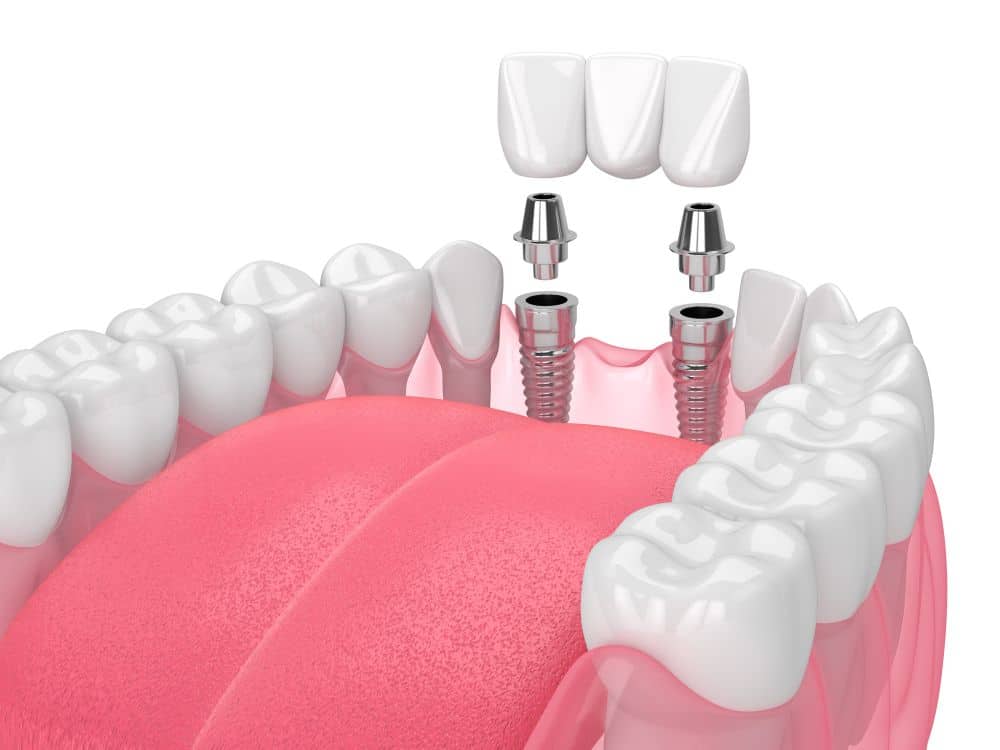
The implant itself consists of a titanium post that’s surgically placed into the jawbone. Titanium possesses unique biocompatible properties that allow it to fuse directly with bone tissue through a process called osseointegration. This fusion creates a stable foundation that can withstand the forces of normal chewing while providing the stimulation necessary to maintain bone health.
For patients concerned about cost, affordable dental implants like those in Chula Vista make this advanced treatment accessible to a broader range of individuals. Many dental practices now offer financing options and treatment plans that make implant therapy a viable solution for preserving long-term oral health.
The timing of implant placement significantly affects the success of bone preservation. Immediate implant placement, when possible, provides the best outcomes for maintaining existing bone structure. However, even implants placed months or years after tooth loss can halt further deterioration and, in some cases, stimulate new bone growth.
Understanding the Dental Implant Procedure
The dental implant process typically unfolds over several months, allowing for proper healing and integration at each stage. Your journey begins with a comprehensive examination, including X-rays or CT scans to assess your jawbone density and determine the optimal implant placement.
During the initial surgical appointment, your dentist places the titanium implant into the prepared site in your jawbone. This procedure is typically performed under local anesthesia and causes minimal discomfort for most patients. The implant is then left to integrate with the surrounding bone tissue over a period of three to six months.
Once osseointegration is complete, you return for the second phase of treatment. Your dentist attaches an abutment to the implant, which serves as the connector between the implant and your final restoration. Impressions are taken to create a custom crown that matches your natural teeth in both appearance and function.
The final appointment involves placing the permanent crown onto the abutment. Your new tooth is carefully adjusted to ensure proper bite alignment and comfortable chewing. With proper care, your dental implant can last a lifetime while continuously preserving your jawbone health.
Long-Term Benefits of Choosing Implants
Dental implants offer advantages that extend far beyond simply filling the gap left by a missing tooth. The preservation of jawbone health represents just one aspect of their comprehensive benefits for your oral health and overall well-being.
From a functional standpoint, implants restore your full chewing capacity. You can enjoy all your favorite foods without the dietary restrictions often associated with other tooth replacement options. The stable foundation provided by the implant eliminates concerns about slipping or movement during eating or speaking.
The aesthetic benefits of implants are equally impressive. Because they maintain the natural bone structure of your jaw, implants help preserve your facial proportions and prevent the sunken appearance associated with bone loss. The custom crown is designed to blend seamlessly with your natural teeth, creating an undetectable restoration.
Implants also protect your remaining natural teeth. Unlike bridges, which require grinding down adjacent healthy teeth for support, implants are self-supporting. This preservation of tooth structure contributes to better long-term oral health outcomes.
Alternative Options and Their Limitations
While dental implants represent the ideal solution for bone preservation, other tooth replacement options exist for patients who may not be candidates for implant therapy. Understanding these alternatives and their limitations helps you make an informed decision about your treatment.
Removable partial or complete dentures offer an affordable initial solution for replacing missing teeth. However, dentures rest on top of the gums and provide no stimulation to the underlying jawbone. Over time, the continued bone loss can cause dentures to become loose and uncomfortable, requiring frequent adjustments or replacements.
Fixed bridges provide better stability than removable options but still fail to address bone loss concerns. Additionally, bridges require modification of healthy adjacent teeth to serve as anchors for the restoration. This irreversible alteration can compromise the long-term health of these supporting teeth.
Some patients may require additional procedures before implant placement, such as bone grafting to rebuild deteriorated jawbone tissue. While these preliminary treatments extend the overall timeline and cost, they make implant therapy possible for patients who might otherwise be excluded from this option.
For those interested in comprehensive smile restoration, options like veneers like those available in Chula Vista California, can address cosmetic concerns with existing teeth, though they don’t solve the underlying issue of missing teeth and bone loss.
Conclusion
Dental implants replace missing teeth while protecting your jawbone, supporting oral health, and improving quality of life. With proper care, they can last decades and prevent issues like bone loss and facial changes. If you’ve lost a tooth, consult a dentist to see if implants are right for you.