When disaster strikes a home, whether through a burst pipe, a severe storm, or a hidden plumbing failure, the immediate reaction is often one of panic and confusion. Homeowners are suddenly faced with a chaotic environment where water is encroaching on their personal sanctuary, threatening both the structural integrity of the building and the safety of its inhabitants. However, true recovery is not merely about extracting standing water or drying out a carpet; it is a complex, multi-stage process that requires a strategic vision. A comprehensive approach to property damage ensures that every phase is handled with precision, bridging the gap between the initial emergency response and the final post-flood rebuilding and cleanup.
The first step in any robust restoration plan is accurate identification of the source. Water is elusive and deceptive; what appears to be a small stain on a ceiling or a damp spot on the floor is often just the surface symptom of a much larger issue concealed behind the walls. If the root cause, such as a slab leak or a hairline fracture in a main line, is not identified and resolved immediately, the drying process becomes an exercise in futility. Professionals utilize advanced diagnostic tools to peer behind the veil of drywall and concrete, ensuring that the remediation efforts are targeted and effective rather than reactive and superficial.
Technology plays a pivotal role in this initial detection phase, allowing experts to map the migration of moisture without causing unnecessary destruction to the property. Thermal imaging cameras and acoustic listening devices can pinpoint the exact location of a leak, distinguishing between residual humidity and active water flow. This level of precision saves homeowners significant time and money, as it minimizes the amount of exploratory demolition required to fix the plumbing issue. By consulting reputable industry resources, such as those found at www.quickdry.com, property owners can better understand the critical nature of rapid assessment and the technologies used to mitigate loss.
The Science of Precision Drying and Mitigation
Once the source of the intrusion has been stopped, the focus shifts to the scientific process of drying and mitigation, which goes far beyond simply opening windows or setting up a standard fan. Professional restoration requires a calculated approach to psychrometry, the study of moist air and its effect on materials, to ensure that the structure is dried thoroughly and safely. This phase is critical because moisture that remains trapped inside wall cavities, under subflooring, or within insulation can quickly become a breeding ground for mold and bacteria.
Specialized equipment is deployed to manipulate the environment, lowering the relative humidity and increasing the rate of evaporation. Industrial-grade air movers create high-velocity airflow across wet surfaces, while desiccant or refrigerant dehumidifiers pull the resulting moisture out of the air. This push-and-pull dynamic is monitored closely with moisture meters to verify that materials are reaching their dry standards. It is not enough for a surface to feel dry to the touch; the internal moisture content must be returned to pre-loss levels to guarantee the long-term stability of the building materials.
Navigating the Labyrinth of Insurance Claims
One of the most daunting aspects of property restoration for any homeowner is managing the complex and often frustrating interaction with insurance providers. A full-service restoration approach provides invaluable support during this administrative phase, acting as a liaison between the policyholder and the adjuster. Documenting the damage is an art form in itself; it requires a meticulous inventory of affected items, detailed photographic evidence of the source and resulting damage, and clear records of every action taken to mitigate the loss.
This documentation serves as the narrative of the disaster, justifying the necessity of the repairs and the costs associated with them. Without a professional advocate to catalogue the extent of the damage, including the less obvious structural issues, homeowners risk receiving settlements that do not fully cover the cost of restoration. By integrating claims assistance into the restoration process, professionals ensure that the focus remains on recovery rather than bureaucracy, allowing the homeowner to breathe easier knowing that the financial logistics are being handled with expertise.
The Transition from Demolition to Design
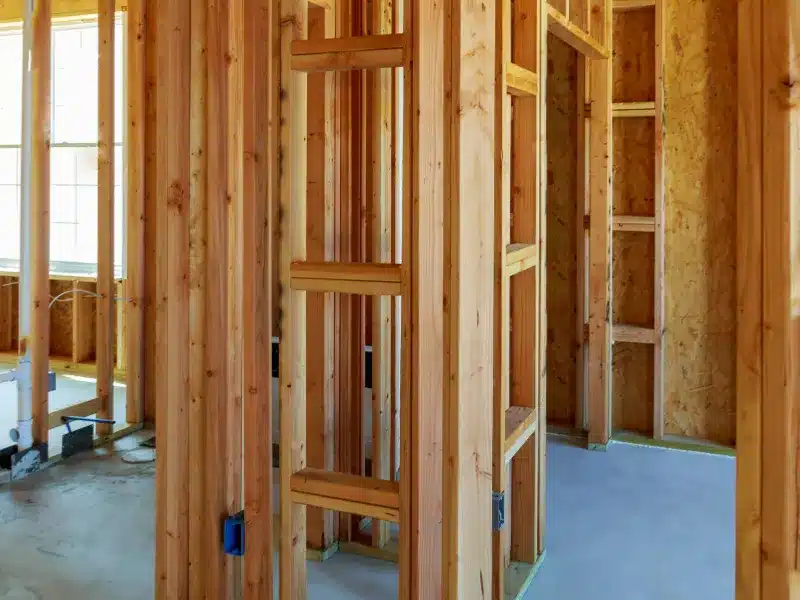
After the water is gone, the mold is remediated, and the claim is filed, the property is often left in a state of partial disassembly. This is where the distinction between a simple cleanup crew and a full-service restoration partner becomes most apparent. The goal is not just to leave a clean, dry shell, but to return the home to a livable, comfortable, and aesthetically pleasing condition. This reconstruction phase involves skilled craftsmanship, from hanging new drywall and installing insulation to laying fresh flooring and painting walls.
Rebuilding with Resilience
The reconstruction period also offers a unique opportunity to improve the property rather than simply returning it to its previous state. Homeowners can choose to upgrade materials, selecting water-resistant flooring options or modern plumbing fixtures that offer better durability and performance. This stage transforms a negative event into a constructive renovation project. Whether it involves remodeling a bathroom that was stripped to the studs or replacing outdated cabinetry in the kitchen, the rebuilding process is the final, triumphant step in reclaiming the home.
Future-Proofing Against Recurring Disasters
The final component of a holistic restoration strategy is education and prevention, ensuring that the property is better fortified against future incidents. A comprehensive service doesn’t just walk away once the paint is dry; it leaves the homeowner with the knowledge and tools necessary to maintain a safe environment. This might involve recommending the installation of automatic water shut-off valves, suggesting regular maintenance schedules for appliances and water heaters, or identifying landscape grading issues that could lead to external flooding.
By understanding the “why” and “how” of the initial damage, homeowners can take proactive steps to monitor their property. Simple habits, such as inspecting supply lines for wear and tear or monitoring water bills for unexplained spikes, can serve as early warning systems. Ultimately, a full-service approach transforms a victim of property damage into an empowered homeowner, equipped with a restored sanctuary and the confidence that comes from knowing their home is safe, sound, and secure.