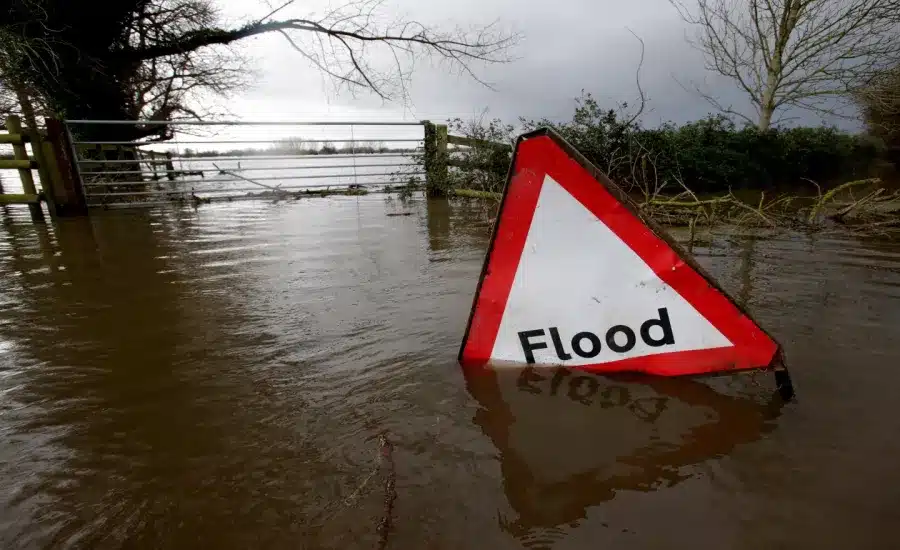
The sound of rushing water where it doesn’t belong is one of the most stressful noises a homeowner can hear. Whether it originates from a burst pipe in the depths of winter, a malfunctioning appliance, or a severe weather event, the sudden intrusion of water turns a sanctuary into a disaster zone in a matter of minutes. The immediate reaction is often panic, followed by a frantic attempt to salvage belongings and stop the flow. However, the path from a flooded room to a fully restored home requires a strategic, professional approach that goes far beyond mopping up puddles.
Understanding the phases of recovery, from the initial emergency response to the final coat of paint, is essential for protecting both the structural integrity of the building and the health of its occupants. When facing the overwhelming task of restoring a flooded property, relying on certified experts like Servekings can transform a chaotic situation into a manageable recovery process.
The journey of recovery is multifaceted because water is an incredibly destructive force. It does not merely sit on the surface; it migrates, wicking up drywall, soaking into subfloors, and hiding behind cabinets where it can cause unseen damage. If left unchecked, what starts as a plumbing issue can quickly evolve into a structural nightmare or a hazardous mold infestation. This reality makes the timeline of response critical. The actions taken within the first few hours of a water incident dictate the severity of the long-term damage and the complexity of the restoration efforts required.
Before any cleanup or drying can truly begin, the root cause of the disaster must be addressed with precision and speed. A restoration crew cannot dry a building effectively if water is still entering the premises, meaning a licensed plumber is often the first vital line of defense. This stage involves diagnosing the failure, isolating the affected lines, and performing the necessary mechanical repairs to secure the system.
For homeowners in specific regions facing these urgent mechanical failures, reaching out to a dedicated team such as SanDiegoEmergencyPlumbing & Leak Detection ensures that the water source is halted before the restoration work begins.
Immediate Containment: Stopping the Chaos at the Source
The moments immediately following the discovery of a leak are often the most confusing, yet they are vital for limiting the scope of the damage. Before professional help arrives, the primary objective is to stop the influx of water and secure the safety of the environment. This usually means locating the main water shut-off valve for the property, a fixture that every homeowner should identify before an emergency occurs.
Turning off the water is only step one; the second critical consideration is electricity. Water and electricity are a lethal combination, and standing water can easily become charged if it comes into contact with outlets or appliances. If it is safe to do so, cutting power to the affected areas via the circuit breaker is a mandatory safety precaution.
This phase of containment prevents the situation from escalating from a property damage claim into a personal injury tragedy. Once the environment is stabilized, the focus can shift from immediate safety to the assessment of the physical damage.
The Science of Mitigation and Extraction
Many people mistakenly believe that placing a few box fans and towels around a wet room will solve the problem, but true water mitigation is a science that relies on physics and industrial equipment. Water extraction is distinct from simple drying; it involves physically removing the vast majority of standing water using powerful submersible pumps and truck-mounted vacuum units.
This step is crucial because it reduces the drying time significantly. The longer water sits, the deeper it penetrates porous materials like wood, gypsum board, and concrete. Professional mitigation teams use moisture meters and infrared cameras to detect water that has migrated behind walls or under flooring, places that feel dry to the touch but are saturated underneath.
By extracting this water mechanically first, the restoration team sets the stage for the evaporation process. Skipping this step or doing it thoroughly often leads to warping, swelling, and permanent damage to building materials that could otherwise have been saved.
The Invisible Threat: Mold Prevention Strategies
Once the standing water is gone, the clock starts ticking on a biological time bomb: mold growth. Mold spores are naturally present in the air, but they require moisture and organic material to colonize and grow, a process that can begin in as little as 24 to 48 hours after a water loss event.
To prevent this, restoration professionals deploy a combination of high-velocity air movers and industrial-grade dehumidifiers. The air movers promote evaporation by blowing air across wet surfaces, lifting moisture into the air. The dehumidifiers then pull that moisture out of the air and condense it, effectively lowering the relative humidity of the room. This aggressive drying environment makes it impossible for mold to thrive.
Throughout this process, technicians monitor the “grains per pound” (GPP) of moisture in the air to ensure the drying goals are being met. If this phase is managed correctly, the risk of mold is neutralized without the need for harsh chemicals, simply by removing the one ingredient mold needs most: water.
Restoration: Returning to Pre-Loss Condition
After the noise of the air movers has stopped and the humidity levels have returned to normal, the final phase of the project begins. This is the restoration or reconstruction phase, where the goal is to make the home look as if the damage never happened. Depending on the severity of the loss, this could be as simple as replacing baseboards and repainting a wall, or as complex as rebuilding an entire kitchen.
This phase is often the most emotionally rewarding for homeowners because it signifies the end of the disruption. It involves skilled carpentry, flooring installation, and finishing work. It is also the phase where upgrades often happen; many homeowners choose to replace damaged laminate with tile or upgrade their cabinetry while the reconstruction is underway.
A seamless transition from the drying phase to the build-back phase ensures that the project moves forward without unnecessary delays. The ultimate metric of success in this stage is invisibility; structural repairs should blend perfectly with the existing home, leaving no trace of the water line or the demolition that took place.
Navigating the Documentation and Insurance Maze
While the physical labor is ongoing, there is an administrative side to water disaster recovery that is equally important. Successfully navigating an insurance claim requires detailed documentation of the source of the loss, the resulting damage, and the steps taken to mitigate it.
From the moment the leak is discovered, it is wise to take photographs and videos of the scene. Professional restoration companies assist in this process by providing detailed logs of moisture readings, equipment usage, and labor hours. This data proves to the insurance adjuster that the steps taken were necessary and within industry standards. Comprehensive documentation protects the homeowner from having claims denied or reduced. It creates a clear narrative of the event, demonstrating that the homeowner acted responsibly to limit damage and that the repairs were conducted by qualified professionals. When the paperwork is handled as efficiently as the plumbing, the path from crisis to clean becomes a much smoother road to travel.