Key Takeaways:
- Understanding local regulations is crucial before removing trees in the Outer Banks.
- Proper tree removal enhances property safety and contributes to coastal resilience.
- Engaging professional services ensures compliance and environmental responsibility.
Table of Contents:
- Importance of Tree Removal in Coastal Areas
- Understanding Local Tree Removal Regulations
- Safe Tree Removal Practices
- Environmental Considerations
- Choosing Professional Tree Removal Services
- Final Thoughts
- Frequently Asked Questions
Importance of Tree Removal in Coastal Areas
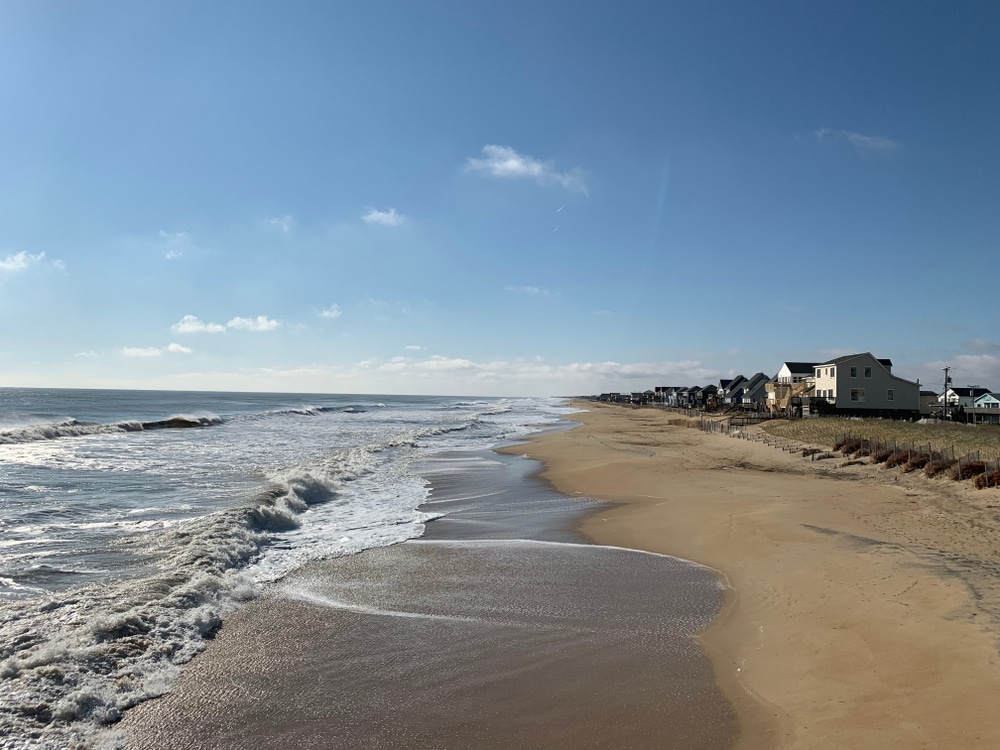
Coastal homes in the Outer Banks face unique challenges due to their proximity to the ocean. The harsh winds, salty air, and frequent storms can weaken trees over time, making them a significant hazard during hurricane season or intense coastal storms. Weak or dying trees can easily become projectiles or fall, causing substantial damage to roofs, vehicles, and nearby power lines. This potential for destruction endangers not only property but also the safety of residents and visitors. Addressing problematic trees, whether from disease, pest infestation, or storm damage, ensures a safer living environment.
Additionally, removing hazardous trees near coastal homes isn’t just about safety; it’s about investing in the property’s overall resilience. Properly managed landscapes add aesthetic value, improve curb appeal, and maintain optimal health of remaining trees and vegetation. For homeowners seeking professional assistance, Albemarle Landscapes and Tree Service offers expert services in large tree removal in the Outer Banks NC. Based in Kitty Hawk, NC, their team is well-versed in local regulations and environmental considerations, providing homeowners with peace of mind throughout the entire tree removal process, from assessment to clean-up.
Understanding Local Tree Removal Regulations
Before initiating tree removal, it’s imperative to be aware of local ordinances and regulations that govern the process. Regulatory frameworks are put in place by municipalities like Dare County, Nags Head, and other coastal towns to protect local ecosystems and prevent excessive deforestation. For instance, the town of Nags Head has implemented strict regulations to protect live oaks and other native species, as they are important for stabilizing dunes and supporting wildlife. Unauthorized removal of these trees can result in significant fines, restoration requirements, or mandatory replanting to restore the ecological balance.
The specifics of these regulations can vary from one municipality to another, taking into account both the ecological value and potential safety hazards posed by certain trees. In some cases, permits are required even for dead or hazardous trees, while healthy, mature trees of protected species may be subject to additional scrutiny. Homeowners should never assume which trees can be removed without verification. Always consult with local authorities or a professional service to ensure compliance with these regulations. Working with a reputable, licensed tree removal company ensures you are operating within local ordinances, saving you time, money, and legal headaches.
Safe Tree Removal Practices
Adhering to safe removal practices is vital to prevent accidents, property damage, and potential injuries. Removing a tree, especially a large or compromised one, is a complex task best handled with a systematic, safety-conscious approach. Key steps include:
- Conducting a thorough assessment of the tree’s health, stability, and the immediate landscape environment by a qualified arborist.
- Identifying potential hazards, such as overhead utility lines, nearby buildings, public pathways, or fences that might be affected during the removal process.
- Creating a detailed removal plan that factors in the tree’s size, growth direction, and any leaning or structural damage that could affect how it falls.
- Using appropriate equipment and professional techniques, such as rigging, cranes, and protective gear, to safely control how the tree is felled and minimize the risk of injury or collateral damage.
- Ensuring proper disposal or recycling of tree debris by chipping branches, splitting logs for firewood, or transporting wood to approved recycling centers helps maintain a tidy property and protects local habitats from invasive pests.
Deviating from these best practices or attempting DIY tree removal without training can result in serious injuries, costly repairs, or even legal liability. Relying on knowledgeable professionals not only guarantees safe execution but also proper clean-up and restoration afterward.
Environmental Considerations
Tree removal can have a direct impact on the local ecosystem, and responsible practices should always be prioritized. Coastal environments like the Outer Banks are especially sensitive due to shifting sands, fragile dunes, and the importance of native vegetation for wildlife. It’s important to consider:
- Replanting native species to maintain biodiversity and provide critical habitats for birds, insects, and mammals that depend on these trees. Choosing salt-tolerant and wind-resistant varieties helps ensure long-term success in a coastal environment.
- Utilizing removed trees for dune restoration projects, as recommended by the N.C. Department of Environmental Quality. Discarded branches and trunks can be strategically placed along dunes to capture sand and restore natural barriers, protecting homes from coastal erosion and saltwater intrusion.
- Minimizing soil disturbance during removal, as exposed or compacted soil near the coast can lead to increased erosion, runoff issues, and decline of surrounding vegetation. Professional crews use specialized methods to avoid unnecessary damage to root zones.
Incorporating these considerations into your tree removal plan not only supports the Outer Banks’ environmental health but also preserves the beauty and resilience of this cherished region for future generations.
Choosing Professional Tree Removal Services
Engaging experienced tree removal professionals is the best way to ensure that removals are conducted safely, efficiently, and in compliance with all local laws. A reputable company will hold all necessary licenses, insurance, and training certifications, so you can have confidence that every aspect, from obtaining permits to recycling debris, is handled with expertise.
When choosing a service provider, look for companies with positive reviews, a strong local reputation, and a commitment to environmental stewardship. Ask for a detailed estimate, including plans for stump removal and debris recycling, and ensure they are familiar with coastal challenges specific to the Outer Banks. Working with qualified professionals not only minimizes risk but also guarantees that homes and the coastal environment are protected in the long term.
Final Thoughts
By understanding and adhering to safe tree-removal practices, homeowners in the Outer Banks can protect their properties while helping preserve the region’s natural beauty and resilience. Responsible stewardship of the coastal environment through mindful tree management supports not only the immediate neighborhood but also the wider Outer Banks community for years to come.
Frequently Asked Questions
Q: Do I need a permit to remove a tree on my property?
A: Permit requirements depend on your locality and the protected status of the tree species. Live oaks and other native species are often regulated, and removing them without authorization can lead to fines or legal issues. Always check with local authorities or consult a professional service before starting a removal project, especially in environmentally sensitive areas like the Outer Banks.
Q: Can I remove a tree close to my house by myself?
A: It is strongly discouraged to attempt the removal of large or hazardous trees near structures without professional help. The risks of accidental property damage, personal injury, or unforeseen complications are high. Professional services have the training, equipment, and insurance to manage these challenges safely and efficiently.
Q: What should I do with the tree debris after removal?
A: Responsible debris management is crucial to protecting local wildlife and maintaining property appearance. Consider eco-friendly recycling options, such as using the debris for dune restoration or mulch. Alternatively, contact local waste management and recycling authorities for disposal guidelines that comply with local ordinances. Leaving debris to decompose naturally can sometimes be an option, but only with the guidance of an expert who understands the environmental impact.